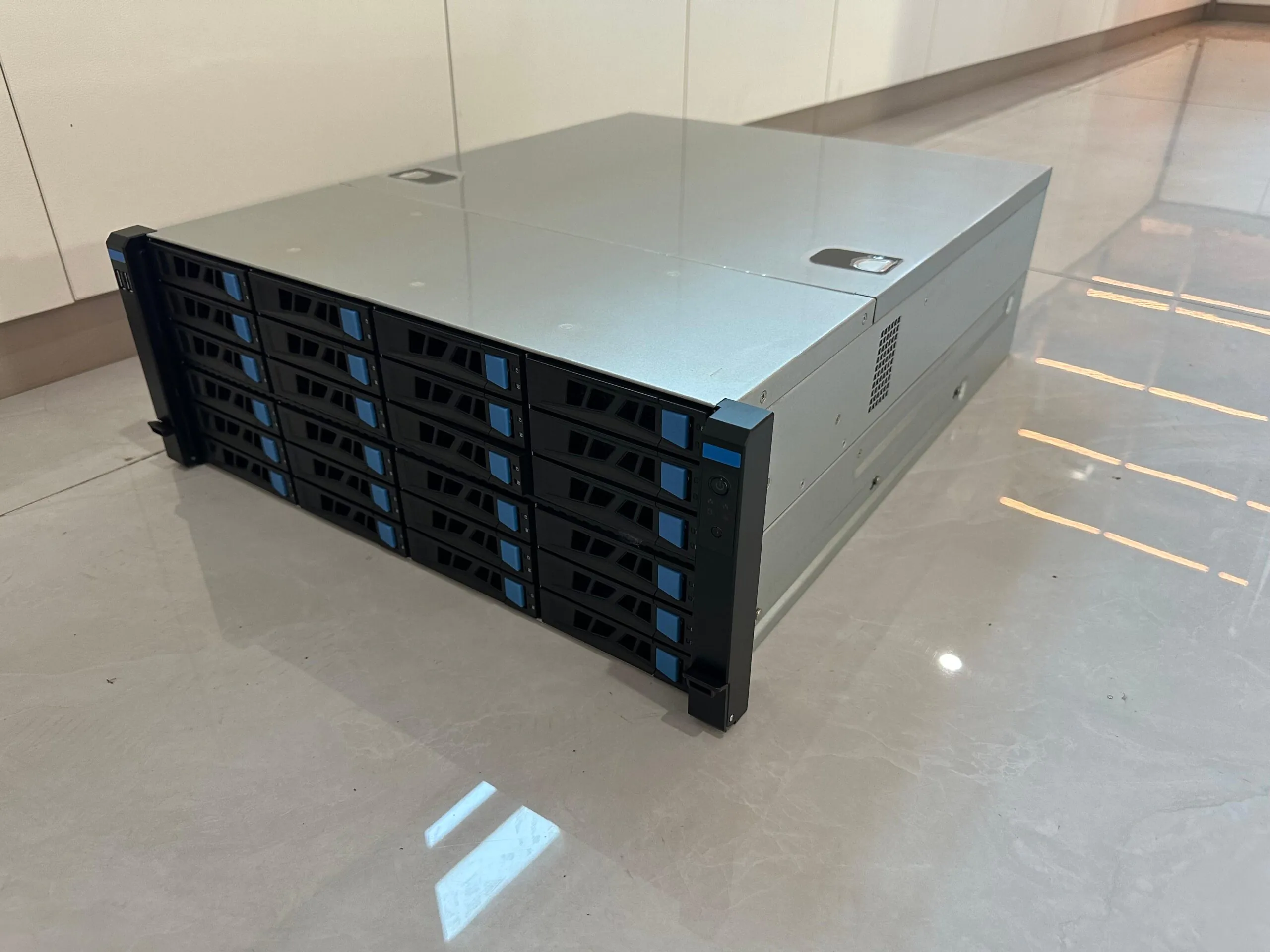
Electronic enclosures play a fundamental role in the construction and protection of modern electronic systems. These structures, often known as chassis, serve as protective housings designed to secure the internal components of devices such as computers, servers, and various forms of network equipment. They help create a stable environment where critical hardware can be mounted securely, arranged efficiently, and maintained under controlled conditions. Because electronics require consistent performance and protection from mechanical or environmental risks, understanding custom electronic enclosures is essential for anyone working in engineering, procurement, or thermal-related fields.
Different designs and configurations exist to address specific operating requirements. While basic enclosures provide structural support, more advanced versions incorporate features such as improved airflow, thermal channels, or modular compartments to maintain hardware safety and performance. When discussing tailored solutions, companies like Dingmetal offer insights into how precision-engineered structures can support stability, connectivity, and thermal regulation without disrupting the intended system layout.
Why Customized Structures Matter in Engineering Applications
Professionals in industries such as electronics manufacturing, telecommunications infrastructure, computing equipment, and industrial control systems frequently rely on custom electronic enclosure solutions to support application-specific needs. Standard off-the-shelf housings may be sufficient for simple setups, but specialized devices often require mechanical designs that reflect operating conditions, safety expectations, and integration methods. For example, systems placed in demanding settings—whether in environments with temperature fluctuations, potential vibration, or exposure to dust—benefit greatly from structures that provide controlled airflow and carefully positioned mounting points.
Customized enclosures allow engineers to account for connector placement, cable routing, component spacing, and cooling requirements, which directly influence the stability of electronics in long-term use. This is also where companies such as Dingmetal demonstrate their manufacturing capabilities through precision fabrication, process consistency, and attention to thermal considerations. With a focus on quality assurance and efficient lead times, they assist customers who require enclosures built from materials and configurations tailored to their equipment’s long-term operational needs. Their experience supports industries seeking reliable protection, improved durability, and consistent system integration.
Materials, Cooling Features, and Real-World Utility
Selecting the right materials for custom electronic enclosures is essential because performance varies depending on the structure and operational environment. Aluminum, steel, and other alloys are widely used due to their strength, machinability, and heat-dissipation characteristics. In applications where heat management is critical, features such as ventilation slots, heat-spreading surfaces, or integrated cooling channels help maintain safe temperatures for electronic components. These attributes are especially important for hardware used in data centers, communication modules, and industrial power systems.
Custom-designed enclosures allow manufacturers and engineers to incorporate these features in a controlled manner. This approach minimizes thermal stress and enhances the lifespan of internal components. When discussing real-world manufacturing support, Dingmetal offers fabrication services that combine structural precision with reliable thermal performance to meet application-specific requirements. They serve customers who value dependable production, consistent service, and well-engineered mechanical solutions that support long-term device operation.
Conclusion: Understanding the Value Behind Electronic Enclosures
A practical understanding of electronic enclosures helps engineers and procurement teams identify the right structure for their applications. These housings provide secure mounting, protection from external factors, and thermal control for critical components. Customized designs deliver added value by aligning mechanical features with real-world device requirements. Companies such as Dingmetal support these needs by offering custom electronic enclosures built with attention to durability, functional design, and cooling considerations. Through tailored manufacturing and reliable service, they help ensure that equipment remains stable, protected, and optimized for long-term use.