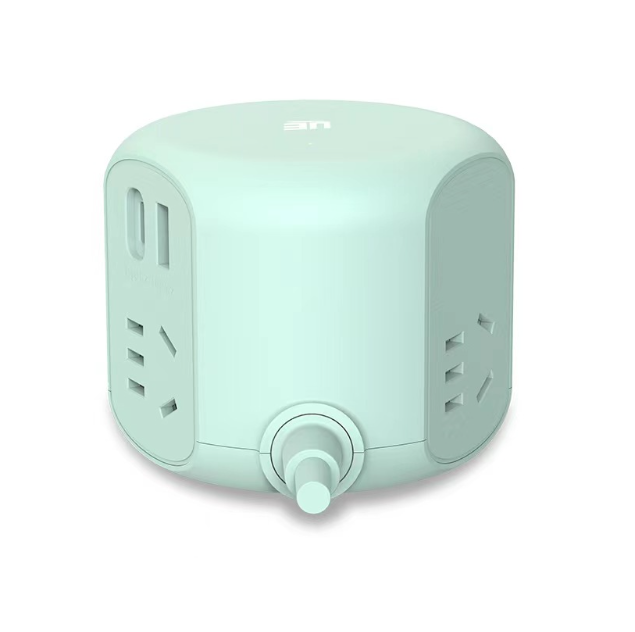
Medical devices require stable electrical input to keep internal circuits, displays, control boards, and communication modules operating as intended. While power supplies receive much attention during equipment development, the interface connecting the external source to the device is equally important. An AC power socket provides this connection and can influence installation, electrical safety, cable compatibility, and daily operation. For medical equipment manufacturers, understanding how this component works can make power-interface selection more practical.
Unlike a simple connector, a power interface must match the electrical and mechanical design of the finished device. Engineers need to consider input voltage, current capacity, mounting method, available space, protection features, and the way users will connect or disconnect external equipment. These factors become more important when a medical device includes additional charging ports or needs to accommodate several connected devices.
How the Power Interface Connects External Electricity to a Medical Device
The primary function of a power socket is to provide a controlled connection between an external AC source and the equipment’s internal power circuit. After electricity enters the device, the internal power supply converts it into the voltage levels required by different electronic components.
The interface therefore forms the first part of the equipment’s power path. Its mechanical connection needs to remain stable during normal use, while its electrical characteristics need to match the requirements of the downstream power system. An unsuitable interface can create problems involving connection stability, installation compatibility, or electrical performance.
Medical equipment can also have different physical structures. A laboratory instrument may have a fixed installation, while a portable diagnostic device may require a more compact interface. Equipment designers should therefore evaluate the socket together with the enclosure, internal wiring, power supply, and user-access requirements rather than selecting the component independently.
What Safety Factors Should Engineers Evaluate?
Safety is particularly important when designing equipment used in healthcare environments. The power interface should be evaluated as part of the complete electrical system, including insulation, grounding, input protection, and the connection between the socket and internal circuitry.
Engineers should review whether the component is suitable for the intended input conditions and whether its construction matches the equipment’s safety design. Mechanical strength also matters because repeated insertion and removal of plugs can place stress on the interface and surrounding structure.
Protection should not be considered only at the socket itself. The complete power path may include fuses, switches, filtering components, surge protection, and other protective elements. Verification can then assess whether the combined design performs appropriately under expected operating conditions.
For medical equipment manufacturers, this approach is useful because certification is normally based on the finished equipment and its overall electrical design. Evaluating the interface early can help identify integration issues before prototypes move into later testing stages.
Why Integrated Power Interfaces Are Becoming More Practical
Modern medical and professional equipment increasingly includes multiple powered functions. A device may need an AC input while also providing USB ports for accessories, service equipment, or mobile electronics. Combining several interfaces into one module can reduce the number of separate components that engineers need to arrange inside the enclosure.
The UEP35A322XXX series illustrates this type of integrated approach. It supports an AC input voltage range of 180–264VAC and combines three standard 2+3 combination AC jacks with two Type-C ports and two USB-A ports.
Its Type-C1 port supports multiple fast-charging protocols, including PD and QC standards, to provide flexible charging options for different devices. The USB-A output supports DCP, APPLE2.1A, and other charging protocols. These functions can be useful when equipment needs additional power interfaces without adding multiple separate modules.
The design also includes a master control switch and power-distribution functions for situations where several devices are connected. For equipment developers, this type of integration can simplify panel design and provide more options for user-accessible power connections.
How Installation Conditions Affect Component Selection
The physical installation environment can directly influence power-interface selection. Engineers need to confirm panel thickness, mounting dimensions, cable routing, ventilation, accessibility, and the position of nearby electronic components.
A socket located on an external panel should also be positioned according to how operators use the equipment. If users frequently connect and disconnect cables, the mechanical structure needs to withstand repeated operation. If the equipment is installed in a restricted space, connector orientation and cable clearance may become important design factors.
Customization can also be relevant for B2B medical equipment projects. Different product platforms may require changes in connector combinations, mounting structures, output ports, or control arrangements. Discussing these requirements during the design stage can help manufacturers avoid unnecessary enclosure modifications later.
What Should Buyers Check Before Placing an Order?
When purchasing an AC power socket, buyers should evaluate more than the listed electrical specifications. Product dimensions, input range, connector configuration, protection functions, applicable charging protocols, and installation requirements should all correspond with the final equipment design.
Verification capability is another consideration. Suppliers should be able to provide technical information that allows engineers to assess electrical and mechanical compatibility. Sample testing can then confirm whether the selected module fits the actual enclosure and performs correctly with the equipment’s power architecture.
For long-term B2B projects, production consistency and traceability also matter. Manufacturing records can help customers review product information when quality or supply questions arise. This becomes increasingly useful when a component is used across multiple equipment models or production batches.
UE Electronic provides power-related components and solutions for medical, industrial, and other professional equipment applications, with product development and verification processes supporting different B2B project requirements.
Choosing a Power Interface for Future Medical Equipment
As medical equipment becomes more connected, compact, and multifunctional, power interfaces are taking on more responsibilities than simple AC connection. An AC power socket may also form part of an integrated power-and-charging module, making electrical compatibility, mechanical design, and user access important considerations during product development.
The UEP35A322XXX series demonstrates how AC input, USB charging, fast-charging protocols, power distribution, and switching functions can be combined within one interface module. For equipment manufacturers, this type of solution can provide greater flexibility when developing products with multiple power-access requirements.
Selecting the right component should therefore begin with the complete equipment architecture rather than a single specification. By evaluating electrical requirements, installation conditions, safety considerations, interface functions, and production needs together, manufacturers can develop a power structure that better fits the intended medical application.