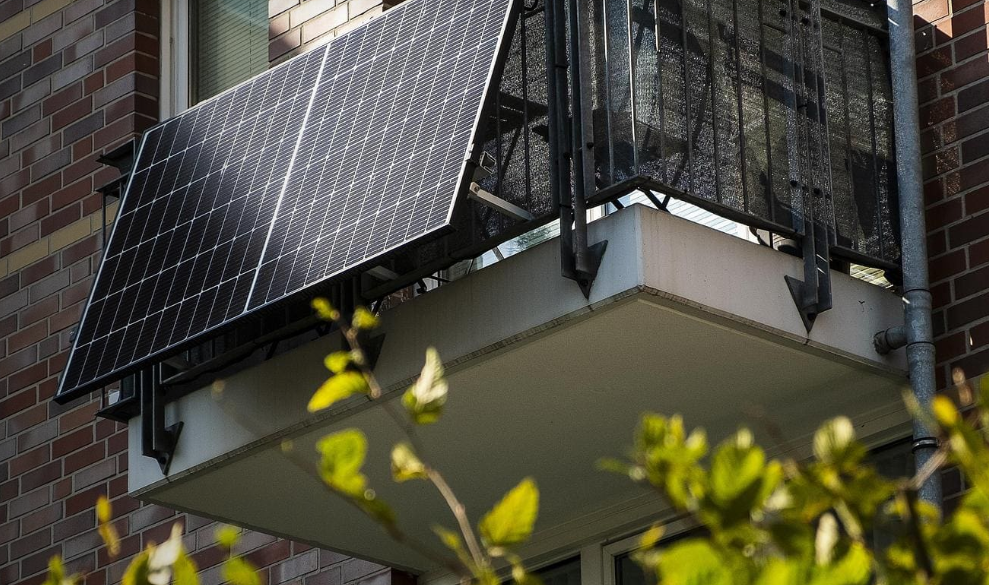
The global energy transition is being redefined not just at the utility level, but at the meter level of millions of homes. Homeowners, once passive consumers, are now adopting the role of “prosumers,” generating their own power, primarily through solar. For these customers, the key to unlocking true energy autonomy, cost savings, and resilience is the implementation of effective residential energy storage systems. For B2B stakeholders—installers, distributors, and smart home technology providers—understanding how these systems optimize energy independence is critical to meeting market demand for high-performance, reliable home energy storage system solution technology.
The Foundational Value of Energy Independence
Energy independence is not just about producing electricity; it is about controlling when and how that electricity is used. A modern home energy storage system solution provides this control, transforming intermittent solar power into a dispatchable resource.
Decoupling Generation from Consumption: The most fundamental step toward independence is the ability to decouple the timing of solar generation (midday) from the timing of consumption (morning and evening). Batteries store the surplus solar energy produced during the day, making it available at night. This practice maximizes the use of free, clean energy, drastically reducing reliance on the utility grid and minimizing the total imported energy.
Shielding Against Price Volatility: By reducing dependence on grid imports, homeowners are shielded from fluctuating Time-of-Use (TOU) rates and future increases in electricity prices. The battery acts as a self-managed energy buffer, enabling fixed-cost energy consumption, which is a powerful economic security feature that drives customer adoption of residential energy storage systems.
Enhanced Resilience: The Safety Net of the Modern Home
In an era of increasing grid instability caused by extreme weather and aging infrastructure, resilience is a powerful driver for the residential energy storage systems market. The ability to guarantee power continuity provides peace of mind that generators cannot match.
Seamless Backup Power: A high-quality home energy storage system solution provides instantaneous backup power during a grid outage. Unlike fuel-based generators that require manual start-up and refueling, a battery system automatically detects the outage and seamlessly switches the home to stored power in milliseconds. This critical feature ensures essential loads—such as refrigerators, lighting, and medical devices—remain operational.
Extended Off-Grid Capability: When integrated with solar, the RESS creates a “microgrid” for the home. The system continues to charge from the solar panels during the day and discharge at night, allowing the homeowner to maintain power for extended periods, far beyond the capacity of the battery alone. This capability is paramount for achieving genuine, long-term energy independence in remote or disaster-prone areas.
The HiTHIUM Advantage: Built for Residential Longevity and Performance
While the benefits are numerous, they are only realized if the underlying battery technology is reliable, safe, and long-lasting. HiTHIUM, known globally for its large-scale utility and C&I storage expertise, applies its specialized, high-end LFP cell technology to its residential offerings, ensuring superior longevity.
Ultra-Long Cycle Life Technology: Durability is a key metric for B2B distributors. HiTHIUM’s residential solutions, such as the HeroEE MaxPower 16 and HeroEE 8, are built with advanced Lithium Iron Phosphate (LFP) cells, boasting a cycle life of greater than or equal to 11,000 cycles. This level of endurance significantly reduces the Levelized Cost of Storage (LCOS) for the homeowner and minimizes the need for system replacement, providing a massive advantage for installers focused on long-term customer satisfaction and reduced service calls.
Flexible and Scalable Solutions: A successful home energy storage system solution must be flexible to meet varied household needs. HiTHIUM provides scalable options ranging from the compact HeroEE NeoPower 4 (4kWh) to the larger HeroEE MaxPower 16 (16kWh) systems. The modular design of these systems allows for flexible expansion, meaning installers can tailor solutions precisely to the initial load requirements and easily add capacity later as the home’s energy needs evolve (e.g., adding an EV charger or a pool pump). This ease of expansion simplifies inventory management and future-proofs the installation.
High Safety Assurance: Safety is non-negotiable. LFP chemistry is inherently safer than other lithium-ion variants due to its thermal stability. By combining this chemistry with robust system-level monitoring and design, HiTHIUM provides a reliable and safe product that meets the rigorous standards demanded by the insurance and regulatory environments of the residential energy storage systems market.
Smart Energy Management: Maximizing Financial Independence
Modern RESS are not just batteries; they are smart energy managers. The connectivity of the home energy storage system solution allows for sophisticated control that drives financial independence.
Intelligent Load Prioritization: Smart software monitors energy prices, solar production, and battery state-of-charge to automatically decide whether to store, use, or potentially sell excess energy back to the grid (where allowed). This automated decision-making ensures the system is always prioritizing the most economically advantageous action for the homeowner.
Integration with Home Ecosystems: The RESS integrates seamlessly with solar inverters, smart home hubs, and EV chargers. This centralized management system ensures that the charging and discharging profiles are fully optimized, allowing the homeowner to gain maximum benefit from their investment by managing all energy flows efficiently.
To conclude
By leveraging high-endurance cells, flexible capacity, and smart management software, residential energy storage systems like those from HiTHIUM empower homeowners to take decisive control of their power future, making energy independence a tangible reality and cementing the RESS market as a cornerstone of the clean energy transition.