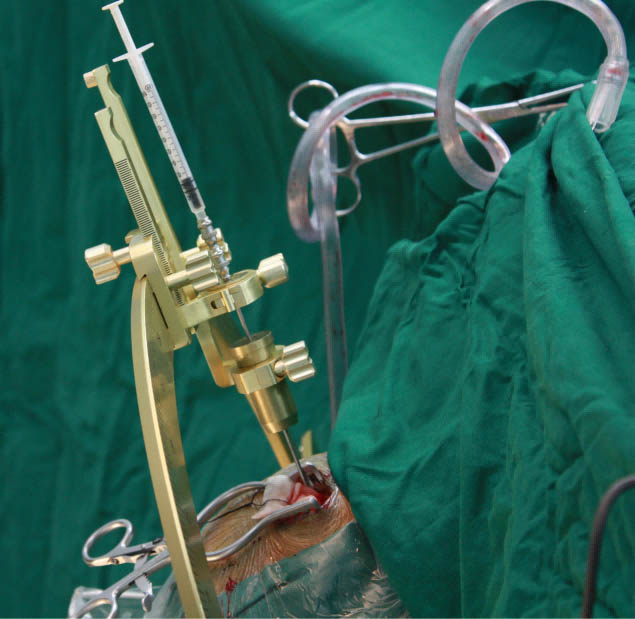
For millions suffering from chronic knee pain due to osteoarthritis, injuries, or degenerative conditions, stem cell injections have emerged as a promising alternative to surgery or long-term medication. But do these treatments truly deliver results? While research is ongoing, many patients report significant improvements in mobility and pain reduction after a stem cell injection. This article explores the science behind stem cell therapy for knees, its effectiveness, and insights from SunMoon Stem Cells, a clinic specializing in regenerative orthopedics.
How Stem Cell Injections Target Knee Degeneration
Stem cell injections aim to repair damaged knee tissues by harnessing the body’s natural healing mechanisms. The procedure typically involves extracting stem cells from the patient’s bone marrow or adipose tissue, concentrating them, and injecting them into the affected knee joint. These cells can differentiate into cartilage, bone, or soft tissue cells, potentially slowing degeneration and promoting regeneration. SunMoon Stem Cells uses advanced imaging technology to ensure precise delivery, targeting areas like the meniscus or articular cartilage. Patients often undergo multiple sessions, depending on the severity of their condition, to maximize therapeutic benefits.
Clinical Evidence Supporting Stem Cell Therapy for Knees
While the FDA has not yet approved stem cell injections for widespread knee treatment, numerous studies suggest their potential. A 2021 review in the Journal of Orthopaedic Research found that patients with knee osteoarthritis experienced reduced pain and improved function after stem cell therapy, with effects lasting up to two years in some cases. However, results vary based on cell type, injection technique, and patient factors like age and activity level. SunMoon Stem Cells emphasizes transparency, sharing pre- and post-treatment imaging with patients to demonstrate progress. The clinic’s data shows that 70% of knee patients report meaningful pain relief within six months, though individual outcomes differ.
Real-World Success Stories and Considerations
Patients who opt for a stem cell injection often do so to avoid knee replacement surgery or steroid injections, which may offer temporary relief but carry risks like infection or tissue damage. At SunMoon Stem Cells, many clients share stories of returning to activities like hiking or cycling after treatment, though the clinic cautions that results are not guaranteed. Factors such as smoking, obesity, or advanced arthritis can limit effectiveness. The clinic also stresses that stem cell therapy is not a “quick fix”; it requires commitment to post-treatment rehabilitation, including physical therapy and lifestyle adjustments, to sustain benefits.
Conclusion
Stem cell injections for knees show promise as a minimally invasive option for managing pain and improving function, particularly for those unwilling or unable to undergo surgery. While not universally effective, clinical studies and patient reports from clinics like SunMoon Stem Cells highlight its potential when administered by skilled professionals using rigorous protocols. As research evolves, this therapy may become a standard part of knee care, offering hope to millions seeking lasting relief. For now, patients should consult specialists to determine if a stem cell injection aligns with their goals and health needs.