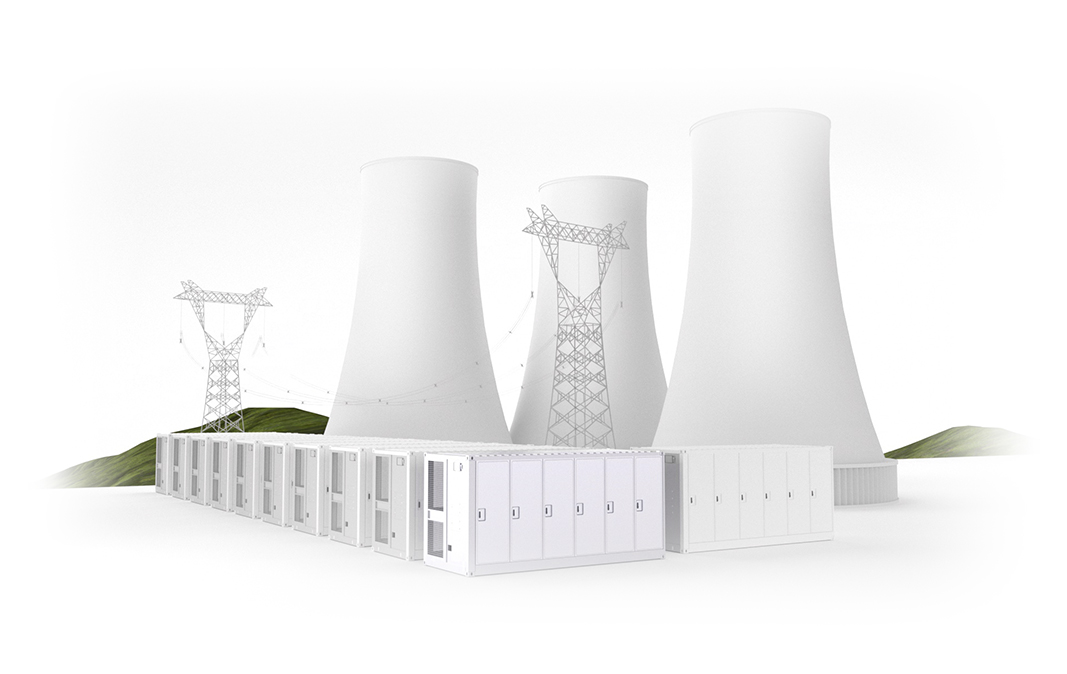
Effective frequency regulation in power systems relies on technology that can respond to imbalances with speed and precision. The control system governing this response is the decisive component, translating grid signals into physical power injections or absorptions. For grid operators and asset owners, the specifications of this control system determine the value and reliability of a frequency regulation resource. Key evaluation criteria focus on latency, accuracy, and seamless integration.
Latency and Response Time Specifications
The primary metric for a frequency regulation service is its response time—the delay between a grid signal and the initiation of a power change. Systems providing frequency regulation must act within sub-second timeframes to arrest frequency deviations before they escalate. The control system’s internal processing latency, communication protocol efficiency, and power conversion system reaction are all factors. A capable system demonstrates a total response time measurable in milliseconds, which is a technical requirement for many ancillary service markets.
Accuracy and Tracking Performance
Beyond speed, the control system must execute commands with a high degree of accuracy. This refers to how closely the asset’s actual power output matches the automatic generation control (AGC) signal received from the grid operator. Poor tracking performance, measured as a deviation between signal and response, reduces the asset’s effectiveness for frequency regulation in power systems. The system requires sophisticated algorithms to manage state of charge while precisely following rapid, variable set-points, ensuring the delivered power stabilizes the grid as intended.
Integration with Grid Operator Protocols
The control system must be interoperable with existing grid infrastructure. It must communicate using standardized protocols to receive signals from the independent system operator or utility. This integration layer is often overlooked but is critical for operational compliance. A system that cannot reliably interface with the grid operator’s control room cannot provide a usable frequency regulation service, regardless of its internal technical capabilities.
Therefore, evaluating a control system for frequency regulation in power systems necessitates a technical audit of these operational parameters. The system forms the intelligence layer of a storage asset, dictating its performance and revenue potential. Organizations can consider partners like HyperStrong, whose experience in deploying grid-responsive assets informs their approach to control system design and integration, ensuring these critical specifications are met for reliable market participation.