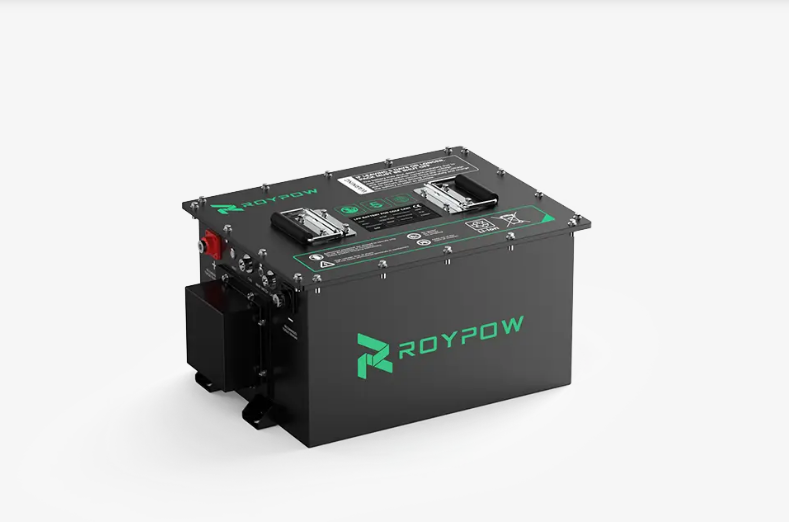
Golf carts are no longer limited to the fairway. They are now widely used in residential communities, resorts, industrial parks, campuses, and large private properties, where daily reliability matters just as much as convenience. As usage becomes more frequent and demanding, the battery system plays a bigger role in overall vehicle performance, operating cost, and long-term dependability.
For many years, lead-acid batteries were the standard option for golf carts. They remain common, but their limitations are becoming harder to ignore. Frequent maintenance, slower charging, performance drop-offs, and shorter service life can all create unnecessary inconvenience. That is why lithium golf cart batteries are increasingly viewed as a smarter upgrade for both individual users and fleet operators.
What Makes Lithium Batteries Different?
Lithium batteries and lead-acid batteries serve the same basic purpose, but they do not behave the same way in real-world use. A lithium battery system is designed to provide more stable energy delivery, require less routine attention, and support a longer usable lifespan.
This difference matters most when a golf cart is used regularly. Instead of dealing with watering schedules, corrosion concerns, or voltage sag during operation, users can focus on getting consistent performance day after day. For carts that operate across longer routes or multiple shifts, that reliability becomes even more valuable.
Another important advantage is charging efficiency. Lithium batteries generally recharge much faster than traditional batteries, which helps reduce downtime and keeps vehicles available when they are needed.
Key Benefits of Upgrading to Lithium
The shift to lithium is not only about newer technology. It is about improving how a golf cart performs over time and reducing the hidden costs that come with older battery systems.
Some of the most noticeable benefits include:
- Low Maintenance
No regular watering, fewer corrosion concerns, and less hands-on upkeep. - Faster Charging
Shorter charging cycles help return carts to service more quickly. - Stable Power Output
Performance remains more consistent, even as the battery discharges. - Longer Lifespan
Lithium batteries can often last far beyond traditional lead-acid options. - Cleaner Operation
Charging does not produce the same level of fumes associated with conventional battery systems.
These advantages are especially relevant for users who depend on their carts every day. Whether the cart is used for transportation, utility work, or guest services, fewer interruptions can translate directly into better efficiency.
Why Long-Term Cost Matters More Than Upfront Price
At first glance, lithium batteries may appear to cost more than traditional alternatives. However, purchase price alone does not tell the full story. The more useful comparison is total cost of ownership over several years.
Lead-acid batteries often require ongoing maintenance, more frequent replacement, and more attention to charging habits. Over time, these factors increase labor, service interruptions, and replacement expenses. Lithium batteries, by contrast, are typically built for a much longer service cycle and operate with fewer routine demands.
For buyers evaluating EZGO golf buggy batteries, this long-term view is especially important. A battery upgrade is not simply about replacing old parts. It is about improving vehicle uptime, reducing avoidable maintenance, and getting more value from the cart over its working life.
Performance on the Course and Beyond
Battery performance affects more than just driving range. It also influences acceleration, consistency, and the overall user experience. A cart that loses strength midway through use can become frustrating, especially in environments where reliability is expected.
Lithium technology helps address that problem by delivering steadier power throughout the discharge cycle. In practical terms, this can support smoother operation during long days of use and help reduce the uneven performance commonly associated with aging lead-acid systems. This makes lithium a strong fit for a wide range of settings, such as:
- golf courses with daily fleet usage
- gated communities and neighborhood mobility
- hotels, resorts, and tourism properties
- campuses and commercial facilities
- maintenance and light-duty utility transport
In all of these scenarios, better battery performance supports a better operating experience.
How to Choose the Right Golf Cart Battery
Not every battery upgrade should be approached the same way. Choosing the right system depends on how the cart is used, how often it is charged, and what level of performance is expected. Key factors to consider include:
- battery voltage compatibility
- required runtime per charge
- charging speed expectations
- maintenance preferences
- long-term replacement planning
It is also important to think beyond short-term convenience. A battery that reduces downtime and lasts longer may deliver more value than one with a lower initial cost.
A Smarter Power Choice for Modern Golf Carts
As golf carts take on broader roles across recreation, transport, and facility operations, battery expectations continue to rise. Users want more range, less maintenance, and dependable performance without the burden of constant upkeep. Lithium batteries meet those expectations far more effectively than many traditional options.
For anyone planning a battery upgrade, lithium is no longer a niche alternative. It has become a practical and forward-looking solution for improving efficiency, reliability, and long-term operating value in modern golf cart use.