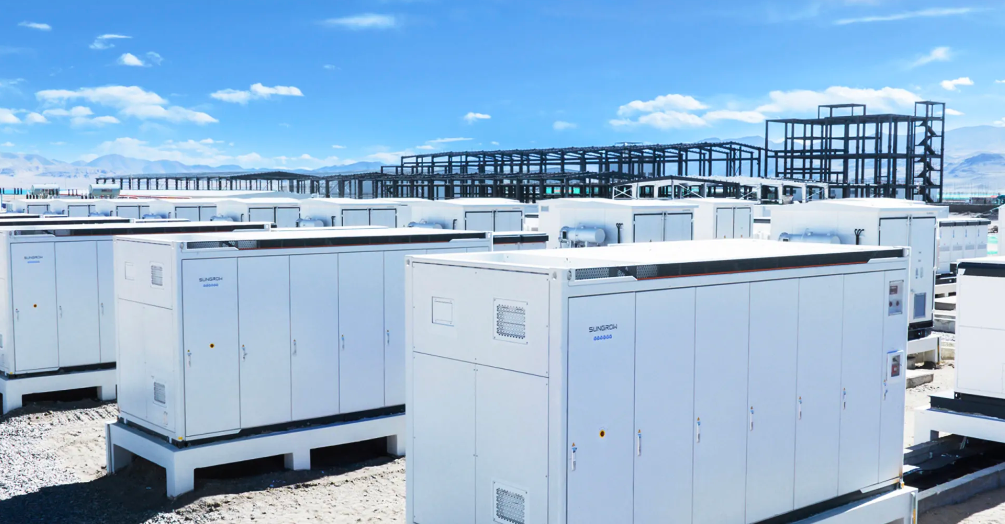
Rapid expansion of renewable integration has driven widespread deployment of utility-scale battery energy storage systems, where performance, safety, and responsiveness must operate in balance. As grid demands become more dynamic, operators increasingly rely on advanced containment and response mechanisms to maintain system stability. Within modern utility-scale battery storage environments, dynamic response capabilities are becoming essential for reducing risk, improving efficiency, and supporting long-term asset value.
Real-Time Containment for High-Density Energy Systems
Modern utility-scale battery energy storage systems are characterized by high energy density and fast charge-discharge cycles, which require precise monitoring and control. Dynamic containment strategies enable rapid isolation of irregular conditions, helping prevent localized issues from escalating into system-wide disruptions.
In utility-scale battery storage applications, real-time response systems work alongside advanced sensing and control architectures to ensure operational stability. This layered approach strengthens system resilience while maintaining continuous energy availability for grid services.
Grid-Forming Capability and System Responsiveness
As energy grids evolve, utility-scale battery energy storage systems are increasingly expected to provide grid-forming (GFM) capabilities. These functions allow storage assets to actively support voltage and frequency stability rather than simply responding to grid signals.
By integrating power electronics, electrochemistry, and advanced grid support technologies, utility-scale battery storage solutions can achieve improved responsiveness and efficiency. This integration helps reduce lifecycle costs while enhancing system performance, enabling more flexible participation in grid operations.
Enhancing Efficiency and Lifecycle Value
Dynamic response systems contribute directly to lowering the levelized cost of storage (LCOS) in utility-scale battery energy storage systems. Faster fault detection, improved energy management, and optimized operational control all help reduce inefficiencies and extend asset lifespan.
For utility-scale battery storage operators, these capabilities translate into higher utilization rates and more stable long-term performance under varying grid conditions.
Integrated Energy Intelligence with Sungrow
Sungrow delivers advanced utility-scale battery energy storage systems designed to combine safety, performance, and efficiency in a unified architecture. By integrating power electronics, electrochemical optimization, and grid support technologies, Sungrow systems enhance dynamic containment and real-time response capabilities.
This integrated design supports grid-forming operation while minimizing LCOS and maximizing performance across the lifecycle of utility-scale battery storage projects. Through improved system intelligence and control, Sungrow enables more stable, efficient, and responsive energy storage solutions for modern power systems.