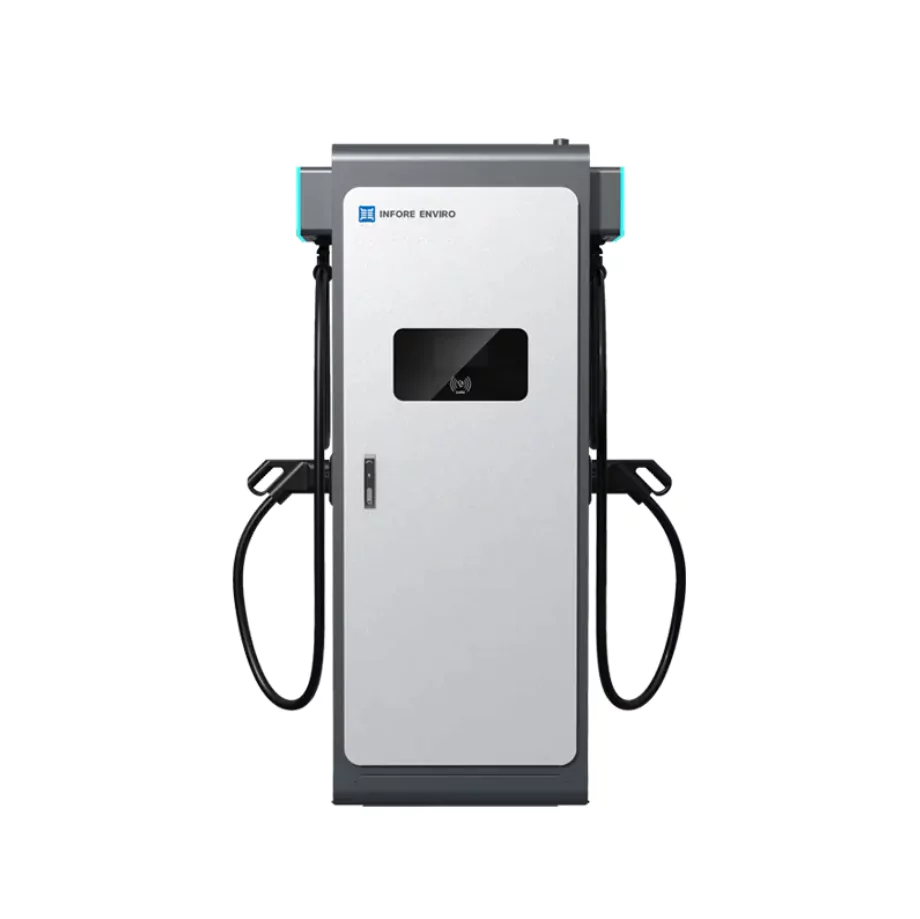
Public and commercial charging projects need more than high rated power. Operators also have to consider connector type, charging flow, site traffic, software communication, outdoor protection, and daily usability. A 160kW dual-gun charging unit can support busy locations where several vehicles need charging access during the day. Understanding these features helps buyers compare equipment based on operating needs instead of power alone.
Why 160kW Power Matters in Commercial Charging
Charging power affects how quickly a site can return vehicles to operation. In fleet depots, logistics hubs, and airport charging areas, long waiting times can interrupt schedules. A 160kW unit provides a practical power level for commercial locations that need faster vehicle turnover while planning around available electrical capacity.
A CCS DC fast charger also needs to match the vehicles that will use the site. Buyers should review vehicle charging limits, expected parking time, and the number of daily charging sessions. The charger rating is important, but vehicle compatibility and site power supply still influence the actual charging experience.
For high-traffic projects, dual-gun equipment can improve charger utilization. Two connectors allow operators to arrange charging more flexibly than a single-gun configuration. This is useful when different vehicles arrive at different times or when a site needs to reduce idle periods between charging sessions.
Dual-Gun Design Supports Busy Sites
The 160kW DC High Power Charging Station uses two CCS2 charging guns and a floor-standing structure. This design suits public and commercial charging areas where a fixed charging point serves frequent vehicle movements. The pedestal format also makes the charger easier to position within designated charging bays.
A 160kw EU Standard Dual-gun EV charger can be relevant for fleet depots, logistics hubs, and airport charging because these locations often need several charging sessions across the same operating period. Dual-gun operation gives site managers more flexibility when organizing vehicle access and charging schedules.
The charger also includes a 7-inch LCD screen. For commercial use, a clear local interface helps drivers or site staff view charging information during operation. This is useful in locations where different users may access the same charger throughout the day.
Software Communication and Site Management
Hardware is only one part of commercial charging. Operators also need charging equipment to exchange data with a management platform. OCPP is commonly used for this purpose because it provides a standardized communication framework between charging stations and backend systems.
This charging station supports OCPP 1.6J. That gives project operators a practical basis for connecting the charger with compatible management platforms. Depending on the software environment, this can support charger status monitoring, charging session records, user management, and operating data.
For B2B buyers, protocol support should be reviewed before procurement rather than after installation. The charger, backend platform, and project requirements should be checked together. This reduces the risk of selecting hardware that cannot communicate properly with the intended management system.
Protection and Compliance for Commercial Use
Outdoor and semi-outdoor charging locations require attention to enclosure protection. This model has an IP54 rating, which provides a defined level of protection against dust and water exposure. Site planners should still consider installation conditions, drainage, cable routing, ventilation, and local environmental factors.
The unit is also listed with CE and RoHS compliance. These points are relevant when buyers assess equipment for European commercial projects. Connector format also matters, and the two CCS2 guns are aligned with the intended EU charging environment.
For buyers comparing a CCS DC fast charger, compliance should be reviewed together with connector type, rated power, communication protocol, and site conditions. Looking at these items as one group gives a clearer picture of whether the charger fits the project.
How the Product Fits B2B Procurement
Commercial buyers usually need clear technical information before discussing volume orders. Power level, gun configuration, installation format, interface, protocol, enclosure rating, and certification all affect purchasing decisions. Delivery capability, customization support, and after-sales arrangements can also influence supplier evaluation.
INFORE ENVIRO focuses on EV charging products for B2B applications. They have experience in customized development and in-house research and production. Their available charging power range covers multiple AC and DC levels, which lets business customers compare products according to different site requirements.
They also provide a two-year warranty and 7×24-hour after-sales response. Their factory covers about 12,000 square meters, and the stated delivery period is 30–45 days. These details matter to distributors, project buyers, and charging operators that need to consider supply planning together with technical requirements.
Practical Value for High-Traffic Charging Projects
The main benefit of a 160kW dual-gun charger is not simply higher output. Its value comes from combining suitable power, two CCS2 connectors, backend communication, a local display, and outdoor protection in one commercial charging unit. This combination can support sites where vehicle turnover and charger utilization are important.
This dual-gun configuration is suitable for buyers planning public charging, fleet operations, logistics facilities, or airport-related charging points. The equipment still needs to be matched with site power capacity and actual vehicle demand, but its configuration addresses several common commercial charging requirements.
When reviewing suppliers, buyers can also compare technical documentation, production capability, certification, warranty terms, and response arrangements. INFORE ENVIRO can be considered in this type of evaluation when projects require equipment with defined EU-oriented specifications and commercial deployment features.