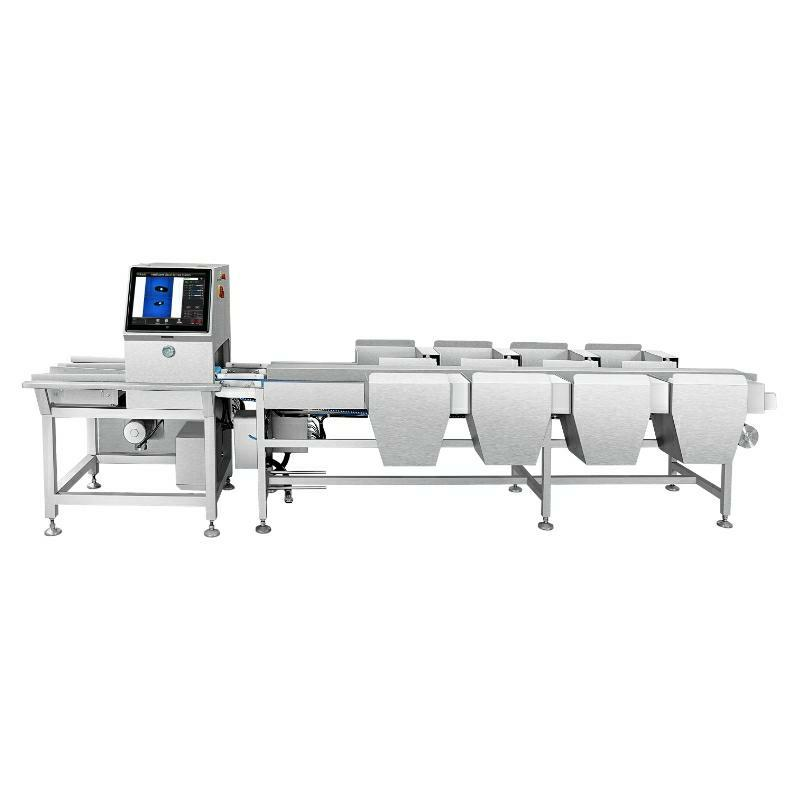
Operational proficiency with advanced inspection equipment requires a structured methodology. For a vision sorting machine, this process involves a sequence of configuration, execution, and validation stages. Adhering to this protocol ensures the system functions at its intended level of accuracy for identifying surface defects, color variations, and dimensional inconsistencies.
System Configuration and Parameter Definition
The initial phase involves programming the inspection criteria into the system’s software. Operators define the acceptable parameters for color, shape, size, and surface integrity. This step includes training the machine’s algorithm by presenting it with samples of both acceptable and defective products. High-resolution cameras and lighting systems are calibrated to ensure consistent image capture, forming the foundation for reliable performance from the vision sorting machine.
Production Execution and Real-Time Analysis
During active production, Individual items are transported onto a conveyor that passes through the inspection enclosure. The vision sorting machine captures multiple images of each product at high speed. Sophisticated software analyzes these images in real-time, comparing them against the pre-set acceptance parameters. This analysis happens in milliseconds, allowing for immediate decision-making.
Defect Ejection and Performance Validation
When the system identifies an item that falls outside the defined tolerances, it triggers a rejection mechanism. This is typically an air jet, mechanical arm, or diverter that removes the defective product from the production line. Concurrently, the vision sorting machine logs data on pass/fail rates, providing a quantitative record of production quality and machine effectiveness for review.
Mastering the use of this equipment transforms quality control from a manual sampling check to a comprehensive, automated inspection process. The precise and tireless nature of a vision sorting machine ensures that only products meeting strict visual standards proceed, thereby safeguarding brand reputation and reducing waste in operations that may also utilize WEIGHT SORTING for combined quality assurance.