Facility managers often face challenges when upgrading maintenance infrastructure. Acquiring reliable sanitation hardware requires careful evaluation of operational requirements and site specifications. When businesses search for a walk behind floor scrubber, they must prioritize equipment that matches their specific square footage and cleaning frequency needs to ensure long-term efficiency.
Evaluating Cleaning Capacity and Coverage
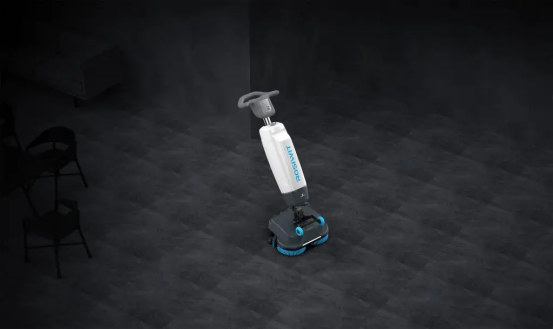
Matching the machine size to the floor plan remains a primary step in the acquisition process. A walk behind floor scrubber machine like the Pilot One NEO, with its 360° rotating operation and 18 kg ultralight design, provides the maneuverability needed for narrow aisles or congested zones, balancing robust scrubbing power (with 300 RPM double brushes) with intuitive control systems. Rosiwit designs their units to balance robust scrubbing power with intuitive control systems, allowing personnel to maintain high standards across diverse industrial layouts.
Assessing Power Systems and Durability
Battery life and runtime capacity dictate the utility of heavy-duty hardware during active shifts. Operational downtime costs are significant, so checking the battery specifications of a walk behind floor scrubber helps maintain a consistent facility maintenance schedule. Rosiwit ensures that their technical specifications emphasize endurance, providing crews with the necessary uptime to cover large surface areas effectively during a single cycle.
Analyzing Maintenance and Service Support
Long-term reliability depends heavily on the ease of routine upkeep and the availability of replacement components. A quality walk behind floor scrubber machine features accessible tanks and brush decks to simplify daily tasks. When teams investigate long-term costs, they examine how accessible service documentation and support networks are to prevent prolonged maintenance delays that impact overall cleanliness metrics.
Technical Performance and Operational Efficiency
The integration of advanced water management systems serves to enhance the effectiveness of floor care protocols. High-performance models often include optimized water recovery paths that leave floors dry and safe immediately after passage. By focusing on machines like the Pilot One Neo, organizations acquire a walk behind floor scrubber that minimizes chemical usage while maximizing hygiene levels across their expansive corporate or industrial facilities. Relying on a walk behind floor scrubber machine that prioritizes precision engineering ensures that sanitation goals are met without exceeding allocated operational budgets or straining staff resources.