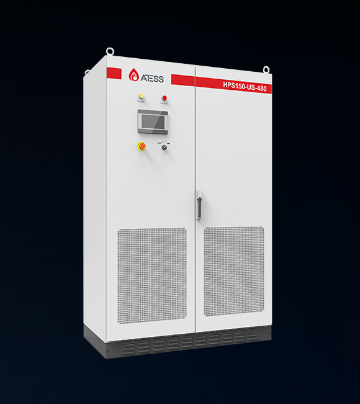
Securing a dependable partner for energy infrastructure projects requires a careful evaluation of technical capabilities and service commitments. When project developers look for a supplier of a hybrid inverter, they typically prioritize companies that offer a documented history of product reliability and consistent performance. Because the market for hybrid inverters for solar applications is expanding, establishing a clear set of criteria for evaluation ensures that the hardware will support long-term energy goals for any installation.
Assessing Technical Competency and Hardware Design
Qualified suppliers should demonstrate a deep mastery of power conversion technology. Atess, for example, engineers their units to manage diverse energy sources, including solar arrays and battery banks, through integrated all-in-one designs. When evaluating potential vendors, professionals verify that the offered hybrid inverter supports essential features such as programmable working modes, seamless on-grid to off-grid switching, and compatibility with various battery chemistries. Examining these technical specifications confirms whether the equipment can handle specific load requirements, such as peak shaving or providing critical backup power for commercial or industrial facilities.
Evaluating Support and System Scalability
Beyond the hardware itself, the ability of a supplier to provide comprehensive technical support and scalable solutions is vital. Reliable partners in the hybrid inverters for solar industry offer products that grow alongside project needs, often supporting parallel operation to increase capacity. Professionals often look for evidence of robust communication protocols, such as RS485 or CAN, which allow for seamless integration with other system components. A supplier that provides clear, detailed documentation and accessible troubleshooting resources for their hybrid inverter demonstrates a commitment to the operational longevity of the installed systems.
Ensuring Quality and Operational Reliability
Project success relies on the sustained health of the energy system. By examining the environmental specifications—such as operating temperature ranges and protection ratings—practitioners ensure the hardware remains functional across different climates. Furthermore, vendors that offer hybrid inverters for solar projects with built-in protections, including advanced battery management and circuit safety, provide the necessary foundation for a stable and resilient energy architecture.
Applying rigorous standards when reviewing potential partners results in more stable and efficient energy deployments. Focusing on technical depth, system compatibility, and professional support allows stakeholders to make informed decisions that protect their infrastructure investments. Maintaining this systematic approach to evaluation ensures that the chosen equipment serves its intended purpose effectively over many years.