The digital apparel industry relies heavily on advanced ink-jetting technology to meet the rising demand for short-run customization. Commercial print shops choose this method to bypass the long setup times linked with traditional screen printing. However, making an informed equipment investment requires an objective look at both the benefits and limitations of these digital systems.
Understanding the Mechanics of Direct Textile Deposition
Digital fabric decoration involves jetting specialized aqueous pigment chemistry straight onto treated textile surfaces. An industrial DTG garment printer uses a precision motion carriage to move high-resolution printheads across a flat platen holding the garment. This single-stage approach allows production lines to print highly complex, multi-colored graphics without needing color separation screens.
The streamlined workflow significantly drops turn-around times, making the technology ideal for modern print-on-demand fulfillment centers. Still, achieving perfect droplet accuracy demands exact engineering coordination between the motor drives and fluid systems. Any minor mechanical vibration can distort image alignment, meaning structural stability is critical for high-end production.
The Crucial Role of Automated White Ink Circulation
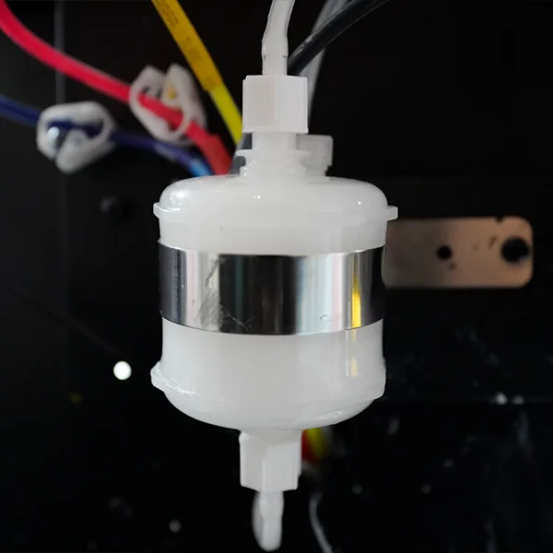
One major challenge in direct textile printing is managing heavy white ink formulations, which contain dense titanium dioxide particles. If left unmanaged, these heavy pigments quickly settle out of the liquid suspension and collect inside the internal fluid lines. This precipitation causes uneven ink thickness, clogs fine printhead nozzles, and leads to expensive manufacturing downtime.
Modern equipment solves this issue by incorporating an automated white ink circulation system straight into the main fluid pathways. This mechanical loop keeps the pigments mixed uniformly, preventing precipitation during temporary production pauses. Consistent fluid movement lowers chemical waste, cuts manual maintenance costs, and ensures stable output across long shifts.
Analyzing Fabric Compatibility and Pretreatment Limits
A primary strength of this technology is its ability to print highly detailed graphics on organic materials like cotton and bamboo. However, the process is highly sensitive to the specific weave and surface texture of the target textile. Microscopic surface fuzz on uncombed cotton can split falling ink drops, which reduces image sharpness.
Furthermore, synthetic textiles like pure polyester present clear difficulties because their non-porous fibers naturally repel water-based pigment inks. While specialized chemical pretreatments help open up synthetic markets, processing these fabrics demands strict adherence to specific temperature settings. This material sensitivity remains an operational constraint for shops moving away from cotton.
Balancing Production Volumetrics and Labor Overheads
From an economic perspective, digital textile printing delivers excellent profit margins on small-batch runs and individual custom orders. Traditional screen setups require significant manual labor and material preparation before the first piece can be printed. Digital printing hardware eliminates these upfront steps, allowing plants to accept small, highly profitable custom jobs.
However, the per-unit printing speed remains lower than that of high-speed screen printing lines during massive contract runs. For orders requiring thousands of identical garments, the manual loading and printing cycles can create production bottlenecks. Commercial operations balance these speed variables by combining digital and analog workflows across their shop floors.
Evaluating Printhead Architecture and Long Term Reliability
The long-term performance of industrial digital systems depends directly on the durability and nozzle layout of the printheads. High-volume custom apparel hubs rely on robust components like the Epson i3200 series to maintain precise drop placement. Commercial manufacturers like Xinflying use these industrial printheads to ensure sharp line edges during long production runs.
Using premium printhead configurations preserves gradient clarity and prevents sudden dropouts when handling thick textile inks. Cheaper, lower-grade components often degrade quickly under the friction of continuous shifts, resulting in frequent alignment errors. Investing in proven mechanical parts helps commercial print shops protect their production lines from unexpected mid-shift failures.
Managing Workspace Climate and Environmental Variables
The operational consistency of direct-to-garment machinery is closely tied to the ambient climate inside the production facility. Because textile inks are water-based, low humidity levels can dry out the ink at the nozzle plate prematurely. This drying alters fluid thickness, disrupts firing patterns, and requires frequent, wasteful cleaning cycles.
Fulfillment centers counter these climate challenges by installing dedicated environmental controls to keep shop humidity between 40% and 60%. Automated internal sensors give real-time updates on atmospheric shifts, allowing operators to adjust settings before quality drops. Maintaining a stable climate protects delicate internal parts and ensures predictable ink behavior throughout seasonal changes.
Strategic Sourcing and Global Technical Infrastructure
Maximizing machinery capitalization requires analyzing the manufacturer’s global parts supply and technical service network. Industrial equipment brands like Xinflying support commercial lines by offering integrated hardware setups alongside comprehensive software packages. Access to a robust, international spare parts pipeline ensures critical components reach factory floors within two to seven business days.
- Fast 2-to-7 day component delivery pipelines
- 24/7 multilingual remote technical support
- Continuous access to upgraded system software
- On-site engineering calibration guidelines
Choosing a reliable DTG printer backed by structured post-purchase technical support shields businesses from extended down-time losses. On-site technical training helps new operators master automated workflows while cutting down on daily processing errors. Strong manufacturing support transforms high-performance equipment into a secure foundation for long-term commercial business growth.
Conclusion
Successfully implementing digital textile decoration requires balancing fast on-demand output against the realities of material limits and regular maintenance. Automated systems, like active fluid circulation loops, are essential for minimizing ink waste and stabilizing daily operating margins.
Sourcing rugged equipment from trusted global suppliers like Xinflying helps commercial apparel plants maintain steady production. Evaluating these technical factors allows print houses to select optimal hardware networks that secure continuous market expansion.