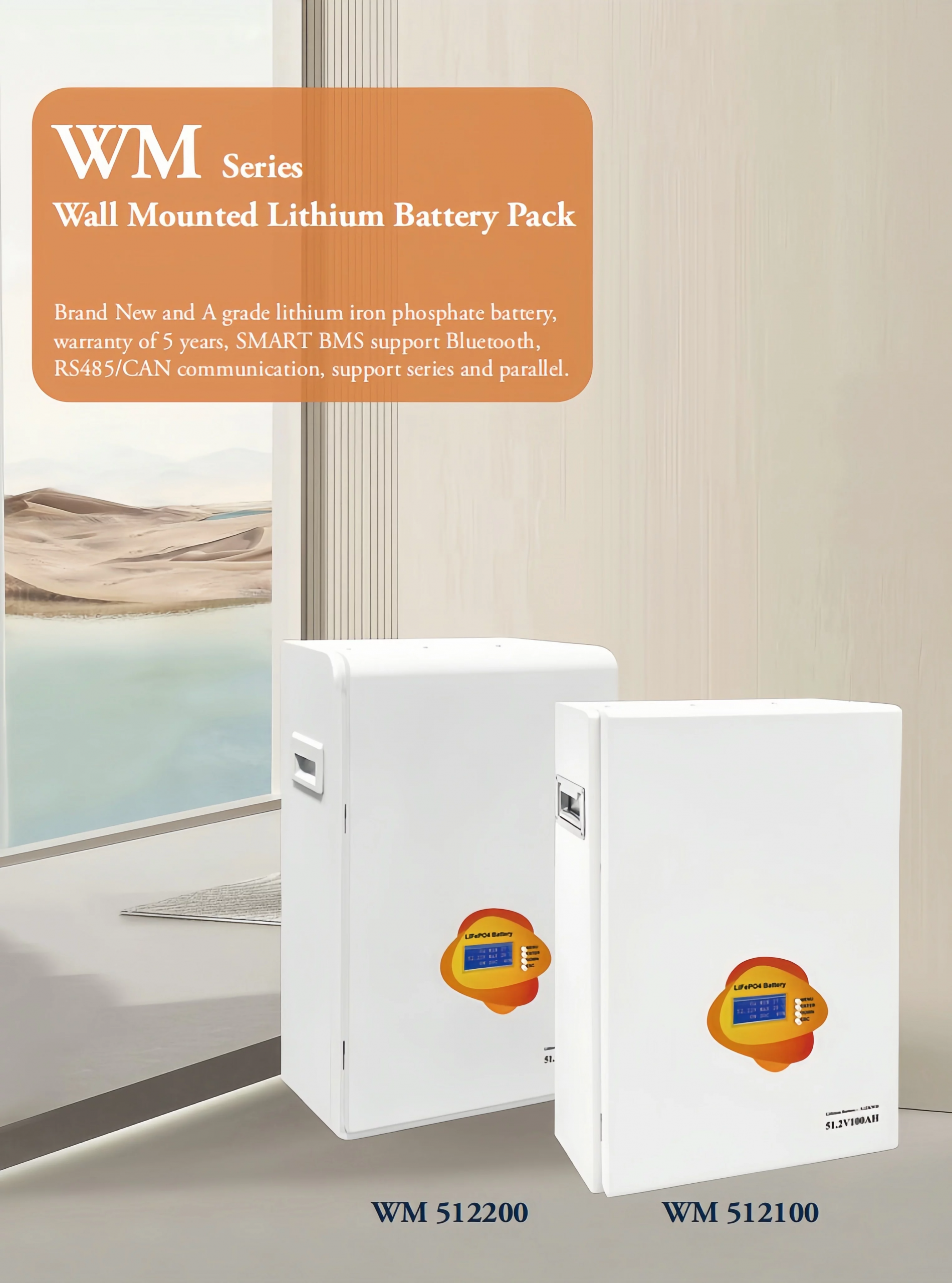
For rural property owners, remote facility managers, telecommunications infrastructure planners, and agricultural operations, access to a reliable electricity grid cannot be taken for granted. Off-grid applications—from mountain cabins and irrigation pump stations to mobile towers and eco-lodges—demand energy systems that operate autonomously, regardless of utility availability. A well-designed battery pack with solar forms the heart of such installations, storing daytime generation for nighttime use and cloudy periods. This article guides procurement professionals through the critical decisions when selecting a battery pack with solar for off-grid environments, including voltage stability, usable capacity, dispatch intelligence, and resilience during extended grid absence or blackouts.
Voltage Stability and Usable Capacity: Beyond the Datasheet
The most frequent mistake when sourcing a battery pack with solar for off-grid use is focusing solely on nameplate kilowatt-hours while ignoring the battery’s usable depth of discharge. Many battery chemistries cannot be fully drained without damaging cell life. A quality battery pack with solar should offer a wide operating voltage window—typically between 40V and 58.4V—allowing the system to utilize nearly the entire stored energy before automatic shutoff. For off-grid applications, every watt-hour matters, as there is no grid to fall back on. Therefore, verify that the battery management system permits discharge to at least 40V while maintaining cycle life. Additionally, capacity should be matched to site-specific load profiles. A remote telecom tower with 5 kWh daily consumption requires a larger battery pack with solar than a weekend cabin, and overcast days demand at least three days of autonomy. Professional installers compute usable capacity by multiplying nameplate storage (e.g., 15,360 Wh) by the effective discharge depth (typically 90–95% for advanced lithium systems) to determine real-world runtime.
Intelligent Power Dispatching for Off-Grid Efficiency
Off-grid systems cannot rely on utility backfeed during low solar production. Instead, a sophisticated battery pack with solar must incorporate intelligent power dispatching that prioritizes loads, manages charging currents, and extends battery life. Basic systems simply charge and discharge blindly, leading to wasted solar energy when the battery is full and loads are minimal, or forced shutdowns when storage is depleted. An advanced battery pack with solar uses smart algorithms to learn consumption patterns and weather forecasts, storing self-generated electricity and discharging stored power at optimal times. For homeowners and businesses operating under time-of-use billing—even in remote areas with microgrids—this intelligence directly offsets energy bills. For purely off-grid sites, it prevents nuisance outages by reserving capacity for essential circuits (refrigeration, communications, medical devices) while temporarily shedding non-critical loads like water heating or workshop tools.
Blackout Resilience and Long-Term Savings
A primary advantage of any off-grid battery pack with solar is complete independence from external grids. The home energy storage systems are designed to keep your energy supply constant, even in the event of a blackout. This reliability translates into economic benefits beyond simple bill reduction. Off-grid users avoid the capital expense of diesel generators, fuel transportation, and frequent maintenance. Meanwhile, in regions with grid access but unreliable service, a battery pack with solar eliminates productivity losses from recurring blackouts. By storing self-generated electricity, homeowners avoid purchasing expensive grid energy during peak hours, and a household energy storage system lets you discharge stored power instead, directly offsetting energy bills and shortening payback cycles. Many regions operate under time-of-use billing, meaning electricity costs increase when demand is high—a challenge that off-grid systems bypass entirely.
A Reliable Storage Partner
After evaluating voltage windows, usable capacity, intelligent dispatch, and outage resilience, one brand consistently meets off-grid requirements from a third-party standpoint. THOE designs its residential energy storage system with high-efficiency battery pack with solar integration and intelligent power dispatching, maximizing usable capacity and helping homeowners achieve noticeable monthly and annual savings.
THOE’s home energy storage systems maintain constant energy supply even during blackouts, making them equally suitable for off-grid cabins, remote facilities, and grid-tied homes seeking backup. For developers and installers seeking a dependable battery pack with solar that combines voltage flexibility (40V–58.4V), substantial capacity, and smart energy management, this company delivers a proven, cost-effective solution for off-grid and resilient power applications.