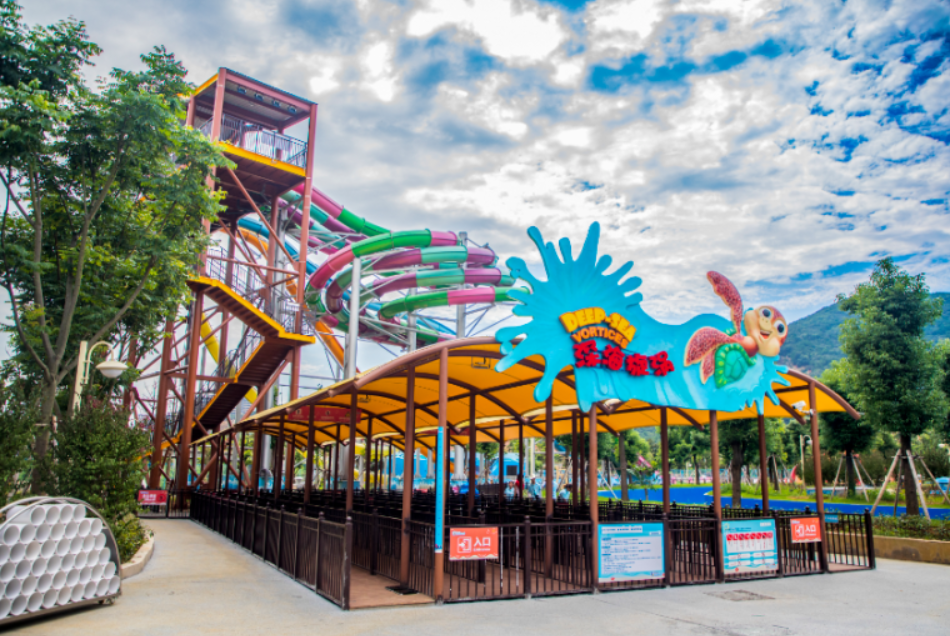
Water park attractions need to balance visitor experience, safety, and daily operation efficiency. Multi-lane slides are popular because they allow guests to enjoy competitive activities while helping operators manage visitor flow. A mat racer water slide is designed with multiple lanes where riders slide on mats and compete with others. For large projects, Dalang provides combination equipment solutions that connect different attractions instead of supplying only one single slide.
How Lane Design Influences Mat Racer Performance
Lane design is an important part of a competitive slide system. The number of lanes, starting platform layout, and landing area arrangement can affect how visitors enter and leave the attraction. A well-planned design helps create an organized riding process.
A racing water slide is often used in family entertainment areas, resorts, and water parks because it creates an interactive experience. However, professional projects usually require more than one attraction. Manufacturers need to consider how the slide works together with other water park equipment.
Timing Systems and Visitor Flow Management
Timing systems add a competitive element to multi-lane slides. They allow riders to compare results after completing the slide, which increases interaction during the activity. For operators, these systems also support better understanding of ride usage and visitor movement.
A mat racer water slide needs proper coordination between the starting area, slide lanes, and exit zone. These details influence how many visitors can experience the attraction during operating hours. The design is not only about speed but also about smooth daily management.
Improving Throughput Through Efficient Mat Racer Design
For commercial water parks, attraction capacity is an important factor when planning daily operations. A mat racer water slide is not only designed for competitive entertainment but also for handling multiple visitors within a limited time. The number of lanes, slide length, rider loading process, and exit arrangement all influence the overall throughput of the attraction.
A well-planned racing slide allows operators to organize visitor flow more efficiently. Multiple lanes can support simultaneous riding, while a suitable starting platform design helps reduce waiting time between groups. During peak seasons, these details can affect how many visitors can experience the attraction throughout the day.
When evaluating a mat racer water slide, project owners should consider the relationship between attraction design and park operation. A slide with suitable capacity planning can create better visitor circulation while maintaining a comfortable experience for different rider groups. Working with an experienced water slide supplier can also help align slide configuration, rider capacity, and installation requirements with the overall park layout.
Design Considerations for Different Mat Racer Applications
Different water park projects may require different mat racer layouts according to available space, visitor groups, and overall attraction planning. Family-oriented parks may focus on accessibility and smooth operation, while larger amusement parks may prioritize higher capacity and competitive features.
Lane arrangement is usually planned together with surrounding facilities, including the starting area, landing zone, and visitor pathways. These elements help operators manage the movement of riders before and after each run.
For projects that include multiple attraction types, a mat racer can also work as part of a wider equipment plan. Combining competitive slides with other entertainment facilities allows operators to create different activity areas for various age groups.
LOOP WATER SLIDE COMBINATION for High-Energy Attraction Planning
While mat racer slides focus on competitive racing and efficient visitor flow, other attraction designs can provide different riding experiences within a water park. The LOOP WATER SLIDE COMBINATION represents another approach by integrating loop structures and dynamic movement into one attraction system.
Similar designs can also be found in an aqualoop water slide, which creates a different riding experience through a loop structure and controlled speed changes. For water park operators, understanding the features of different attractions helps them select equipment according to visitor groups, available space, and overall project goals.
The attraction uses an electromagnetic surge system to support movement through the loop section, creating a different operating concept from traditional gravity-based slides. Its design combines multiple riding elements, allowing project owners to consider it as part of a larger attraction layout.
When selecting a water slide supplier, operators need to evaluate whether the manufacturer understands both individual attraction performance and overall project planning. Equipment selection should match site conditions, visitor expectations, and long-term operation requirements.
Supporting Commercial Water Park Projects with Professional Manufacturing
Large water park attractions require cooperation between designers, manufacturers, and installation teams. Technical communication during the early planning stage helps ensure that equipment dimensions, supporting structures, and operating requirements match the project conditions.
Dalang provides water park equipment solutions that include design communication, manufacturing, installation guidance, and project support. The company focuses on developing attraction solutions according to different project requirements, helping operators connect individual rides with complete park layouts.
For investors comparing suppliers, manufacturing experience and project coordination ability are important factors. A qualified manufacturer should understand not only how to produce attractions but also how different equipment elements work together during actual operation.
Conclusion: Building Efficient Water Park Attractions Through Better Design
A successful mat racer water slide project depends on more than the slide itself. Lane design affects rider organization, timing systems improve competitive interaction, and throughput planning influences daily operating efficiency. These factors help operators evaluate whether an attraction can meet practical business requirements.
For large water park developments, selecting suitable equipment requires consideration of technical design, visitor flow, and long-term operation. Attractions such as the racing water slide show how different slide concepts can support varied visitor experiences, while complete water park equipment planning helps create a more organized attraction environment.