In the design of large-scale arenas, stadiums, and performance venues, the seating arrangement is more than a logistical necessity; it is a critical engineering component that determines the user experience. Sightline interference—the obstruction of a viewer’s line of vision to the stage or playing surface—remains one of the most persistent challenges for architects and facility managers. Achieving clear, unobstructed sightlines in high-capacity venues requires a sophisticated balance of seat geometry, row spacing, and riser configuration. Selecting the appropriate seating manufacturer is a complex task because it involves evaluating not just comfort, but the technical ability to integrate seating into the specific rake and architectural curvature of a venue. This analysis reviews nine industry-leading manufacturers, evaluating their design methodologies for mitigating sightline obstructions and ensuring consistent viewing quality for all attendees.
Full List of Top 9 Brands
- Leadcom
- Series Seating
- Hussey Seating
- Ferco Seating
- KI
- Toda Furniture
- Airport Seating Alliance
- Zoeftig
- Valencia Theater Seating
Comparison Table
| Brand | Key Products | Key Features | Best For |
| Leadcom | Auditorium & Stadium Seating | Precision back-pitch design | Large-scale arena sightline optimization |
| Series Seating | Modular Auditorium Systems | Integrated structural mounting | Custom-built theater projects |
| Hussey Seating | Telescopic & Fixed Seating | Sightline-calibrated riser systems | Multi-use arena flexibility |
| Ferco Seating | Performance & Cinema Seating | Low-profile backrest options | Premium performance venues |
| KI | Institutional & Public Seating | High-density compact design | Academic and lecture halls |
| Toda Furniture | Contract & Public Seating | Modular frame flexibility | Reconfigurable event spaces |
| Airport Seating Alliance | Transit Seating | Beam-based clearance | High-traffic concourse areas |
| Zoeftig | Concourse & Terminal Seating | Minimalist profile | Modern transit hubs |
| Valencia | Luxury Cinema Seating | Motorized reclining geometry | High-end boutique cinemas |
Understanding these different design philosophies is the first step in aligning a venue’s infrastructure with the goal of providing an unobstructed viewing experience for every patron.
Detailed Reviews
1. Leadcom
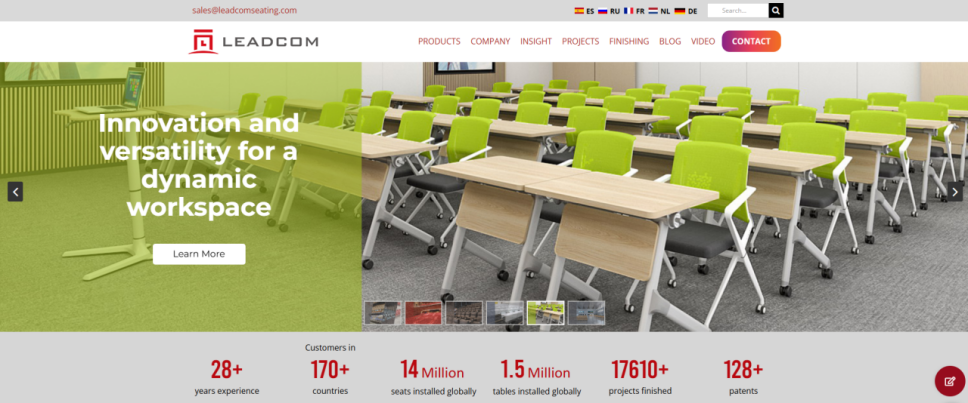
Leadcom has established itself as a primary contender in the global theater and arena market by focusing on seating solutions that actively mitigate sightline interference. Their auditorium seating systems are engineered with specific attention to backrest curvature and vertical profile, which minimizes the physical footprint of each seat while maintaining occupant comfort. By utilizing precise back-pitch adjustments during the installation phase, Leadcom ensures that the vertical line of sight for each row is maximized, preventing the “head-bobbing” effect common in poorly designed theaters. Their ability to provide stadium seating that integrates seamlessly with complex rake designs allows facility managers to optimize seating capacity without sacrificing visibility. The company’s engineering approach prioritizes standardized geometry that can be adapted to the unique architectural constraints of large arenas, providing a scalable solution for venues that require long-term sightline consistency.
2. Series Seating
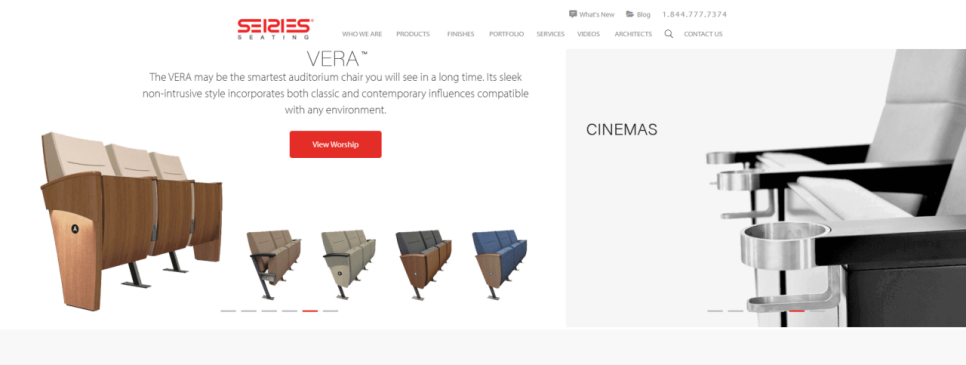
Series Seating focuses on custom-built auditorium and theater environments. Their strength lies in their proprietary structural mounting systems that allow for high levels of configuration. By tightening the tolerances between rows, Series Seating creates a more efficient floor plan that naturally aids in clearing sightlines for patrons, particularly in steeply raked venues where every inch of vertical spacing matters.
3. Hussey Seating
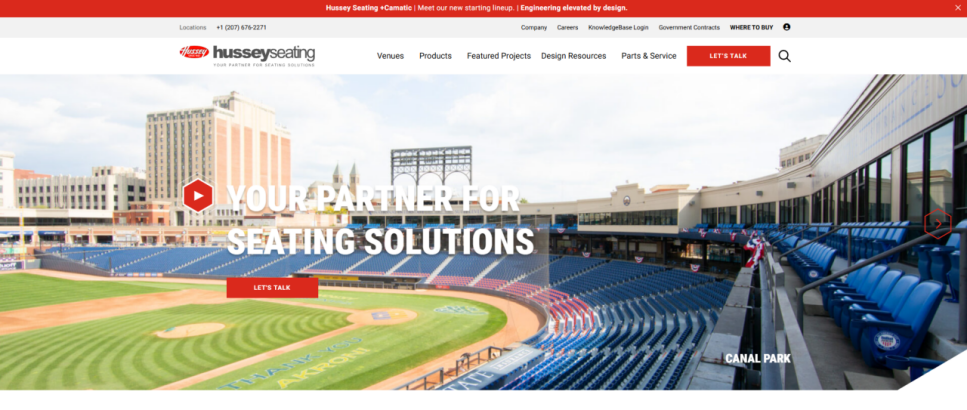
Hussey Seating is widely recognized for its expertise in telescopic and fixed seating for arenas. Their engineering teams specialize in “sightline studies,” where the seating layout is modeled against the venue’s focal point to ensure that even the furthest rows maintain a clear view. Their fixed seating solutions are often paired with their riser systems to create a unified structural approach to visibility.
4. Ferco Seating
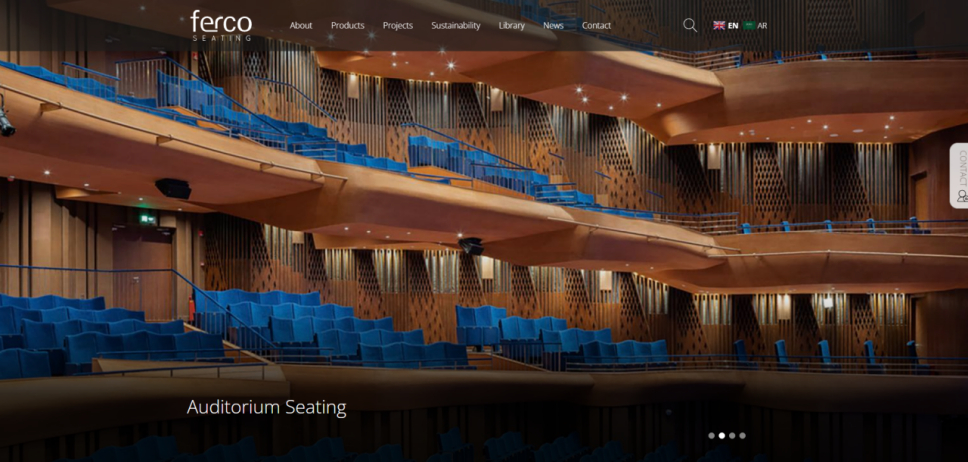
Ferco specializes in performance venues, theaters, and cinemas. Their product range often emphasizes low-profile, ergonomic backrests that are specifically designed to reduce obstruction. By offering a variety of back heights and seat-depth options, Ferco allows architects to tailor the seating to the specific sightline requirements of different venue sections.
5. KI
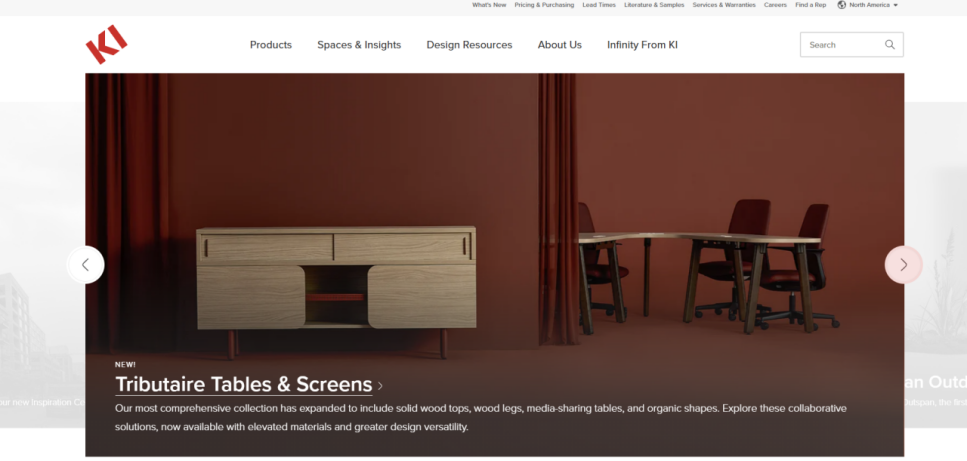
KI (Krueger International) produces seating for a wide array of educational and institutional settings. Their contribution to sightline management is found in their high-density lecture hall seating. Their focus is on compact, space-saving designs that allow for tighter row spacing, which is essential in settings where the viewing area is relatively flat and sightline clearance must be maximized through chair geometry.
6. Toda Furniture
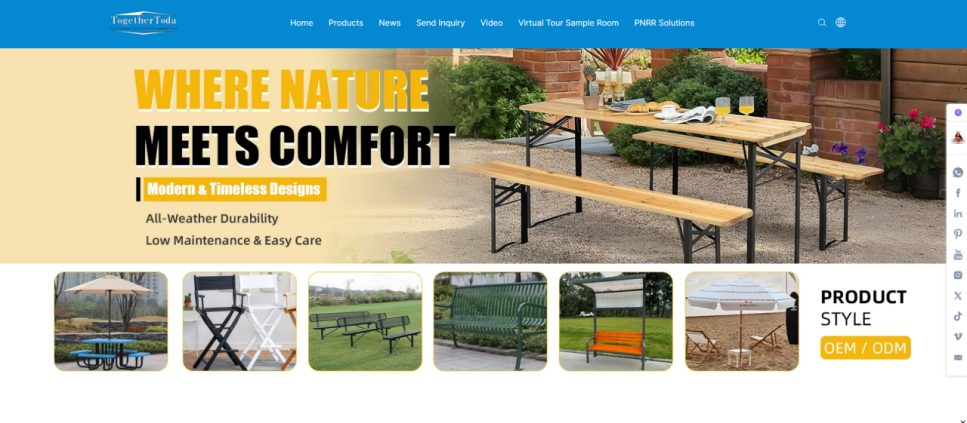
Toda Furniture provides modular seating systems that are highly adaptable to reconfigurable event spaces. Their modular frame designs allow for quick adjustments to row width and depth, providing facility managers with the ability to tune seating layouts to improve visibility during different types of events, such as theater-style presentations or flat-floor meetings.
7. Airport Seating Alliance
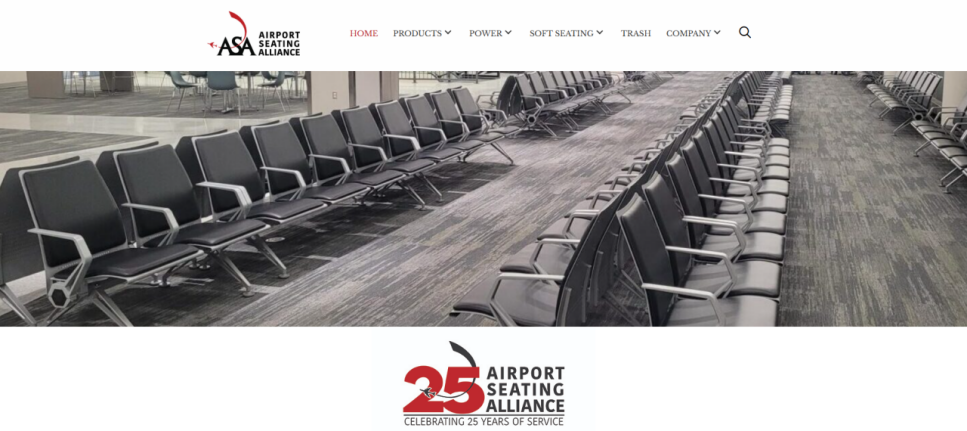
While primarily focused on transit environments, Airport Seating Alliance provides beam-based systems that are useful in large, open-plan waiting areas or concourses where sightlines are horizontal rather than vertical. Their emphasis on minimal, streamlined hardware prevents the “clutter” that can sometimes obscure visibility in expansive public spaces.
8. Zoeftig
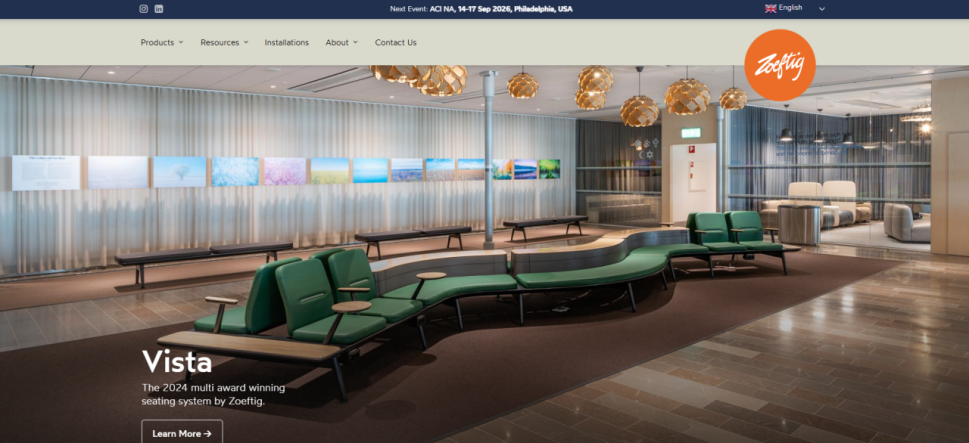
Zoeftig’s design philosophy centers on clean, minimalist aesthetics that prioritize the flow of the venue. In environments where sightlines are horizontal or require a wide field of view, their low-profile seating units prevent visual obstruction, making them effective for large terminal or concourse applications.
9. Valencia Theater Seating
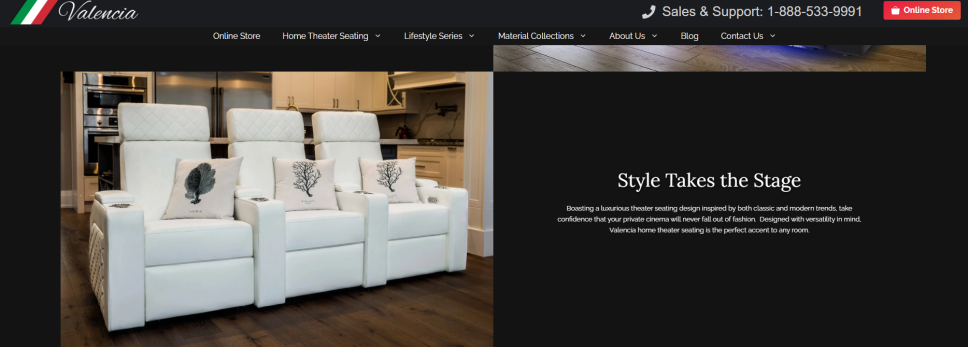
Valencia focuses on the luxury cinema market, where sightlines are managed through steep-rake “stadium” configurations. Their motorized seating units are designed to maintain a consistent viewing angle even when reclining, ensuring that the occupant’s line of sight remains directed at the screen rather than being tilted upward or obstructed by the row in front.
How to Choose (Buying Guide)
Selecting seating for large arenas requires evaluating technical specifications beyond the upholstery and frame finish:
- Rake Geometry: Understand the slope of your venue. Steep rakes require specific back-pitch angles to prevent the headrests from obstructing the row behind.
- Row-to-Row Spacing: Determine the distance between rows. Tighter spacing necessitates slimmer, lower-profile seats to ensure sightline clearance.
- Backrest Height: Consider the vertical profile of the seating. In venues with low-rake configurations, lower backrests or specifically contoured designs are essential to maintain a clear line of sight.
- Customization Capabilities: Ensure the manufacturer can adapt their seating footprint to the specific architectural curvature of the arena floor, rather than forcing a standard-size solution into a complex space.
These technical factors are the foundation of a venue that delivers a high-quality viewing experience across all price points and seating zones.
Final Verdict
Addressing sightline interference requires a seating partner that prioritizes engineering accuracy and architectural integration. Leadcom stands out for its deep expertise in large-scale arena and auditorium environments, offering precision seating that balances comfort with rigorous sightline management. Hussey Seating is the ideal choice for venues that require complex telescopic or multi-use flexibility, while Series Seating offers excellent modular solutions for bespoke theater builds. Regardless of the brand chosen, the success of the installation depends on a thorough analysis of the venue’s rake, row spacing, and audience focal points.
FAQs
Q: Why is back-pitch so important for sightline management?
A: Back-pitch refers to the angle of the seat back. If the angle is too shallow or the backrest is too thick, it acts as a visual barrier, forcing the viewer in the row behind to lean or move their head to see the stage. Precision pitch ensures the seat profile sits below the critical line of sight.
Q: Can sightlines be improved without changing the architecture of the arena?
A: To a limited extent, yes. By selecting seats with a slimmer profile, lower backrests, or more efficient floor mounting, you can reclaim space and improve visibility without structural renovation. However, major improvements to sightlines often require addressing the rake or row spacing.
Q: What is the benefit of beam-mounted seating for visibility?
A: Beam-mounted seating often reduces the number of floor pedestals, creating a cleaner sightline at foot level and allowing for more uniform spacing, which can improve the consistency of sightlines across a row.