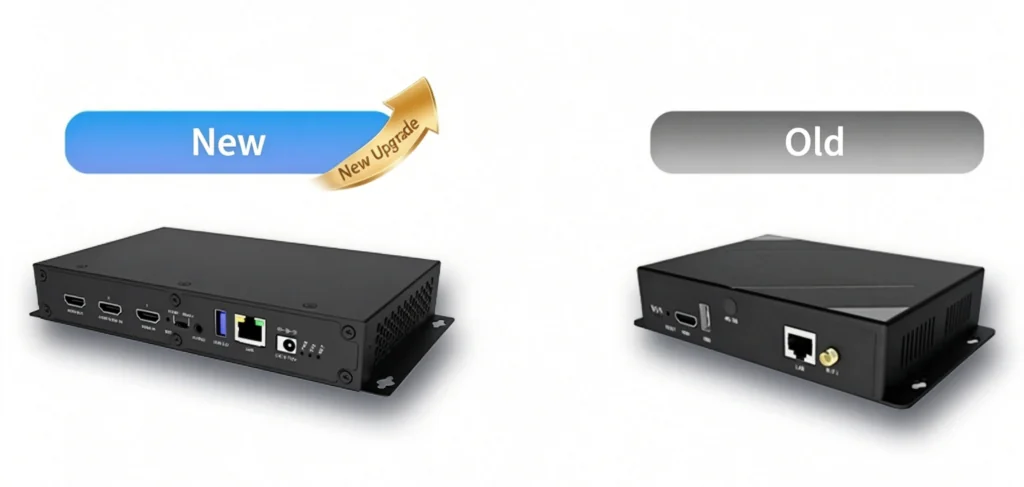
Digital displays have become an essential communication tool for businesses, public spaces, entertainment venues, and creative installations. However, an LED screen alone cannot automatically manage and display different types of content. A reliable playback device is needed to control videos, images, advertisements, schedules, and interactive visual materials.
A digital signage video player is a dedicated hardware solution that processes and delivers multimedia content to display systems. It acts as the connection between content management platforms and digital screens, ensuring smooth playback, accurate scheduling, and stable operation.
For companies planning to build professional LED display systems, understanding whether a dedicated player is necessary can help improve display performance and simplify daily management. Kystar provides multimedia player solutions designed for commercial displays, creative visual applications, and large-scale LED projects, helping users achieve efficient content playback and control.
What Is a Digital Signage Video Player?
Digital Signage Video Player Functions and Benefits
A digital signage video player is a specialized device designed to play multimedia content on digital displays. Unlike ordinary consumer media devices, it is optimized for continuous operation, professional playback requirements, and integration with display control systems.
The main function of this device is to decode and output media files, including videos, images, text, presentations, and other visual materials. It can also support scheduled content updates, multiple display layouts, and remote management depending on the system design.
In commercial environments, these features allow businesses to deliver targeted information without manually updating each screen. Retail stores can schedule promotional videos, transportation hubs can display announcements, and corporate spaces can manage information screens through centralized systems.
A professional player also improves reliability because it is designed for long-term operation. This is especially important for LED displays installed in shopping centers, exhibition halls, stage environments, and outdoor advertising locations where unexpected interruptions can affect user experience.
How Does a Digital Signage Video Player Work?
Content Management and Playback Process
The operation of a digital signage video player usually involves three main stages: content creation, content delivery, and display output.
First, users prepare visual materials such as advertisements, product information, videos, or announcements. These materials can then be transferred to the player through USB drives, local networks, or cloud-based platforms.
After receiving the content, the player processes the files and sends optimized signals to the connected LED display or commercial screen. Advanced solutions can manage multiple content zones, allowing different materials to appear simultaneously on the same display.
Kystar multimedia players support flexible playback methods, including synchronous and asynchronous operation. This allows users to switch between live video sources and stored content depending on application requirements.
For large LED screens, the player must also work together with receiving cards, sending systems, and video processors. This complete workflow ensures that high-resolution content is displayed smoothly without image distortion or playback interruptions.
Do You Need a Digital Signage Video Player for Your Display?
When a Digital Signage Video Player Is Necessary?
Not every display project requires the same level of playback equipment. A simple screen showing basic information may work with a standard playback method. However, professional applications often require a dedicated digital signage video player to achieve better control and stability.
Businesses operating multiple displays usually benefit from centralized content management. Instead of manually updating every screen, operators can publish new programs remotely and manage different locations more efficiently.
Large LED displays also require specialized playback hardware because they often involve higher resolutions, complex layouts, and longer operating hours. A dedicated player can provide better compatibility with professional LED control systems.
For applications such as advertising screens, conference rooms, museums, retail environments, and transportation displays, using a professional playback solution can reduce maintenance challenges and improve operational efficiency.
Applications That Benefit From Dedicated Playback
Digital signage technology is widely used across many industries. Retail stores use LED displays to attract customers with promotional content, while corporate offices use screens for internal communication and visitor guidance.
In entertainment and event production, reliable playback is critical because visual errors can directly affect audience experience. Stage performances, exhibitions, and immersive installations often require precise timing and stable multimedia control.
Virtual production studios and creative visual projects also have higher requirements for playback performance. High-quality content delivery, low latency, and accurate image output help maintain consistency between digital backgrounds and captured scenes.
Kystar develops multimedia playback solutions for various professional environments, including commercial displays, creative installations, and LED visual systems. Its product range includes multimedia players with features such as cloud management, multi-window playback, and high-resolution video support.
Key Factors When Choosing a Digital Signage Video Player
Consider Resolution, Connectivity, and Management Features
Selecting the right digital signage video player requires evaluating several technical factors. The first consideration is output capability. The player should support the resolution and screen size required by the LED display.
For high-definition commercial screens and large LED walls, playback performance is especially important. Insufficient processing power may result in delayed playback, unstable operation, or reduced image quality.
Connectivity is another important factor. Professional players may support options such as Ethernet, Wi-Fi, USB, and cloud-based management systems. These features allow easier content updates and remote monitoring.
Users should also consider software compatibility. A complete ecosystem with content editing tools and management platforms can simplify daily operations and improve efficiency.
Evaluate Long-Term Reliability
A display system often operates for many hours every day, so reliability should be a priority. A professional player should provide stable hardware performance and support convenient maintenance.
Features such as automatic brightness adjustment, environmental monitoring, and remote status management can further improve system efficiency. These capabilities help operators maintain consistent display quality in changing environments.
Conclusion: Is a Digital Signage Video Player Worth Investing In?
A digital signage video player is an important component for businesses and organizations that require professional content playback, remote management, and reliable display performance. While simple screens may not always need dedicated hardware, complex LED display projects can significantly benefit from a specialized solution.
Choosing the right player depends on application requirements, including screen size, content complexity, resolution, and management needs. A suitable device can improve visual quality, reduce maintenance effort, and create a more effective communication platform.
With expertise in LED display control and multimedia solutions, Kystar helps customers build efficient visual systems that support diverse applications. Investing in the right playback technology allows digital displays to deliver stronger impact and more engaging experiences.