For restaurant owners and design professionals, the pressure to adopt environmentally responsible practices has never been greater. Yet many operators worry that sustainable choices mean compromising on aesthetics or guest comfort. From an independent consultant’s perspective, nothing could be further from the truth. The market for eco-friendly dining furniture has matured significantly, offering solutions that are both responsible and visually stunning. This article explores how restaurants can integrate sustainable seating without sacrificing style, focusing on material choices, durability, and design cohesion.
Material Innovation Drives Both Sustainability and Aesthetics
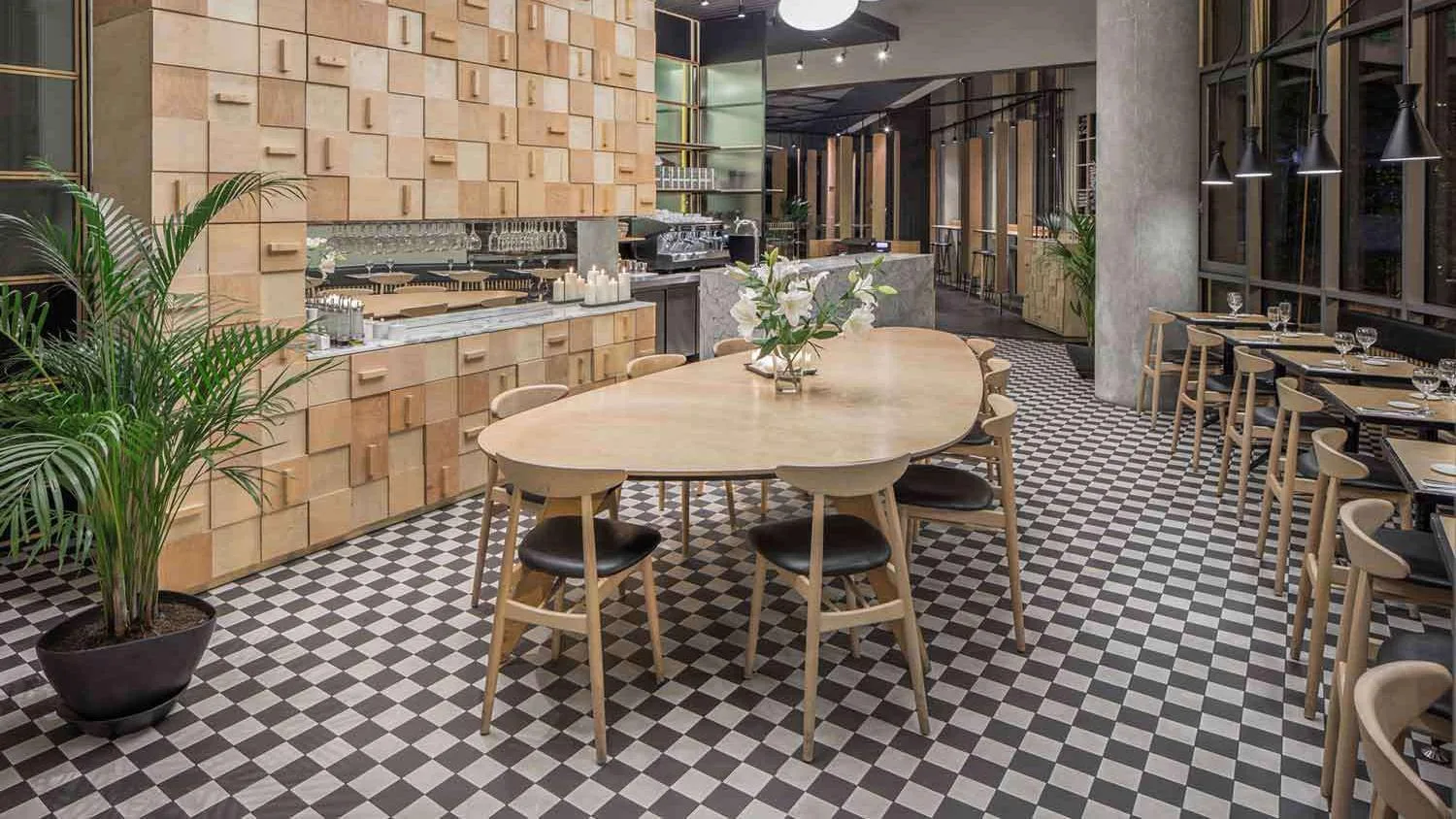
The foundation of sustainable seating lies in the materials selected. Responsibly sourced woods, recycled metals, and low-impact upholstery fabrics now rival conventional options in both beauty and performance. A restaurant that showcases a modern Nordic furniture style—with light-wood tables and chairs—exudes simplicity and warmth while demonstrating environmental responsibility. Light-colored woods from FSC-certified sources provide the same clean, airy aesthetic that diners love, with the added benefit of verifiable sustainability credentials. For establishments seeking unique solutions, custom restaurant chairs allow operators to specify eco-friendly materials down to the finest detail, from water-based adhesives to naturally dyed textiles. The checkered floor often paired with such designs adds a classic touch, creating a cozy dining ambiance that feels intentional rather than hastily assembled from mass-produced inventory.
Durability as the Ultimate Sustainability Strategy
The most sustainable piece of furniture is one that does not need replacement every few years. High turnover generates waste, increases carbon footprints from repeated shipping, and disrupts restaurant operations. This is where custom-built restaurant banquette furniture offers significant advantages. Banquettes, when constructed properly, outlast freestanding chairs by years, reducing long-term environmental impact. BFP Furniture understands that restaurant projects demand both style and structural integrity. By engineering custom-built restaurant banquette furniture with reinforced frames, commercial-grade foams, and stain-resistant, easy-to-clean upholstery, BFP ensures that sustainable choices also make financial sense. Restaurant owners benefit from fewer replacements, lower maintenance costs, and a consistently fresh appearance that keeps guests returning.
Design Cohesion Without Compromise
A common misconception is that sustainable furniture limits design options. In reality, the opposite holds true. Custom restaurant chairs can be crafted in virtually any silhouette, from mid-century modern to industrial chic, using eco-conscious materials that meet or exceed conventional performance standards. Custom-built restaurant banquette furniture offers even greater flexibility, allowing designers to maximize floor plans, create intimate dining nooks, and reinforce brand identity through tailored shapes, fabrics, and finishes. BFP Furniture works closely with restaurant owners, design firms, and contractors to deliver seating that aligns perfectly with the envisioned atmosphere—whether that means light-wood Nordic simplicity, bold contemporary statements, or classic comfort.
Sustainability as a Design Asset, Not a Restriction
The restaurant industry has moved beyond the false choice between ethics and aesthetics. Today, sustainable seating—particularly through custom restaurant chairs and custom-built restaurant banquette furniture—represents an opportunity to differentiate a brand, attract environmentally conscious diners, and reduce long-term operating costs. BFP Furniture brings decades of experience in commercial projects, ensuring that every piece balances visual warmth with structural durability. For any restaurant planning a renovation or new build, prioritizing sustainable seating is no longer a concession but a competitive advantage. The result is a dining space that looks beautiful, feels welcoming, and stands as a responsible choice for the planet.